7 regions
Destinations
Morocco does not divide neatly into seven. This is a working division rather than an official one — the set of landscapes the routes are actually assembled out of, which is the only division a traveller needs.
0119 routes come through
The Sahara
Erg Chebbi, and the flat black nothing you cross to reach it.
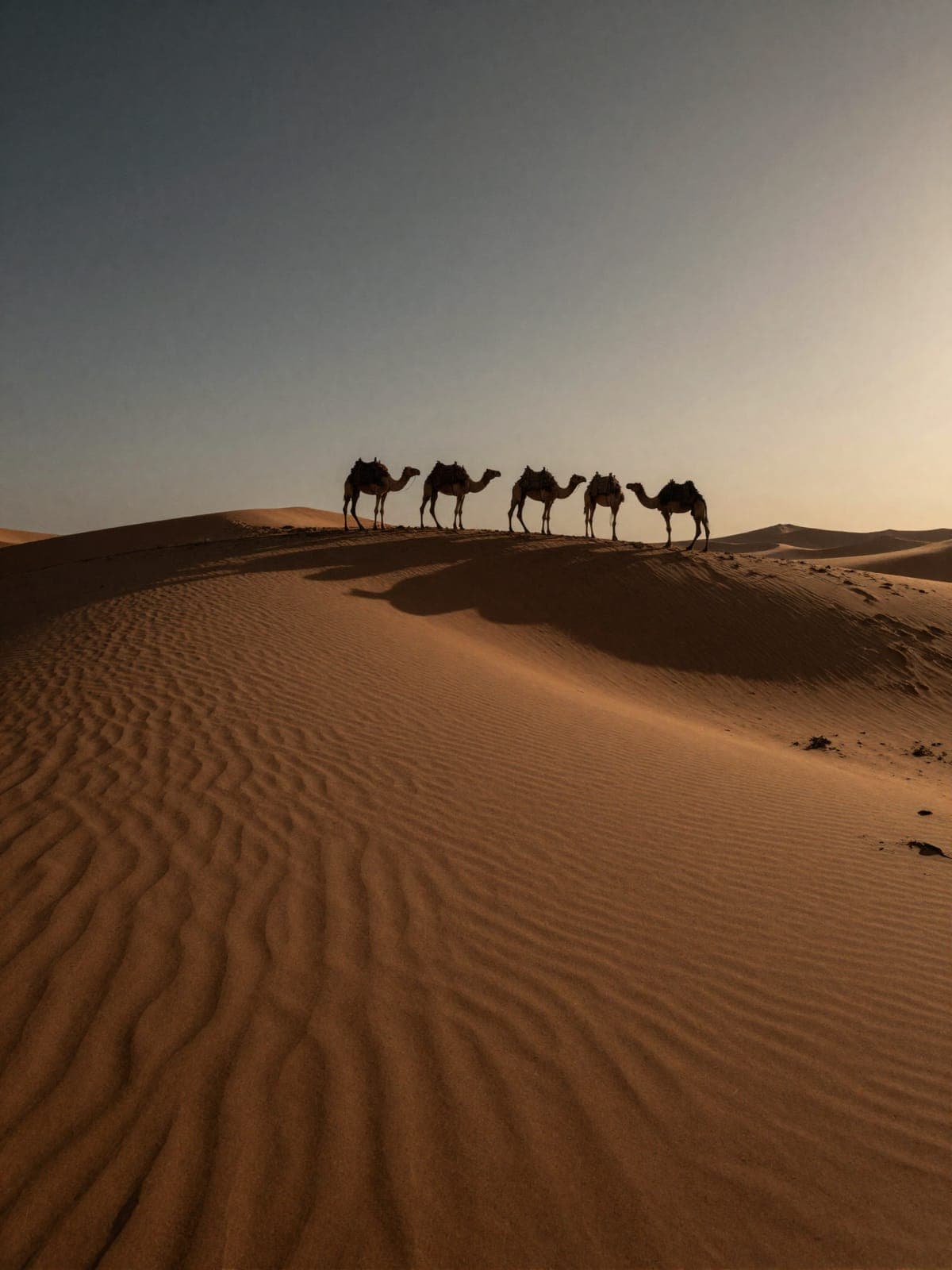
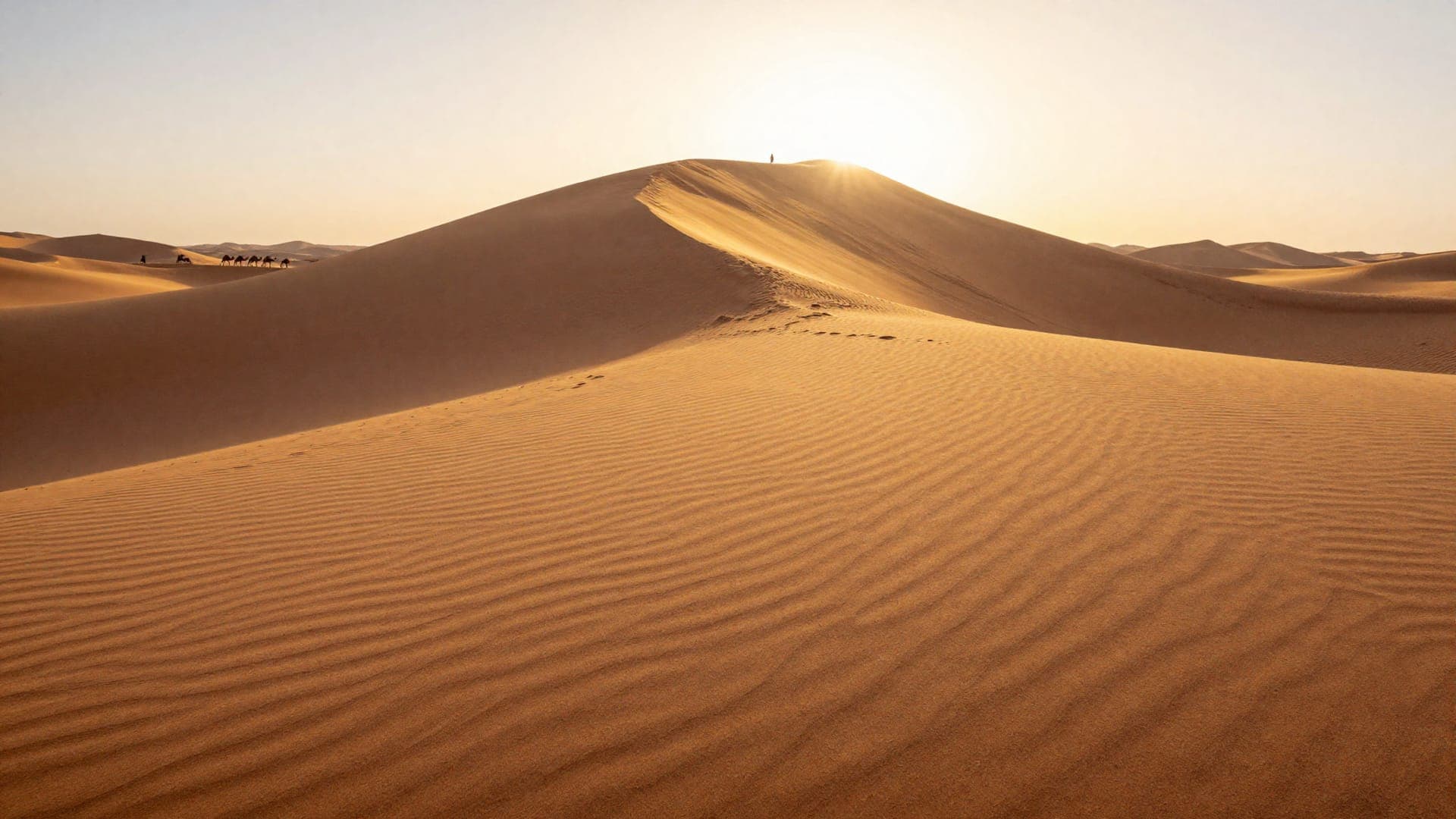
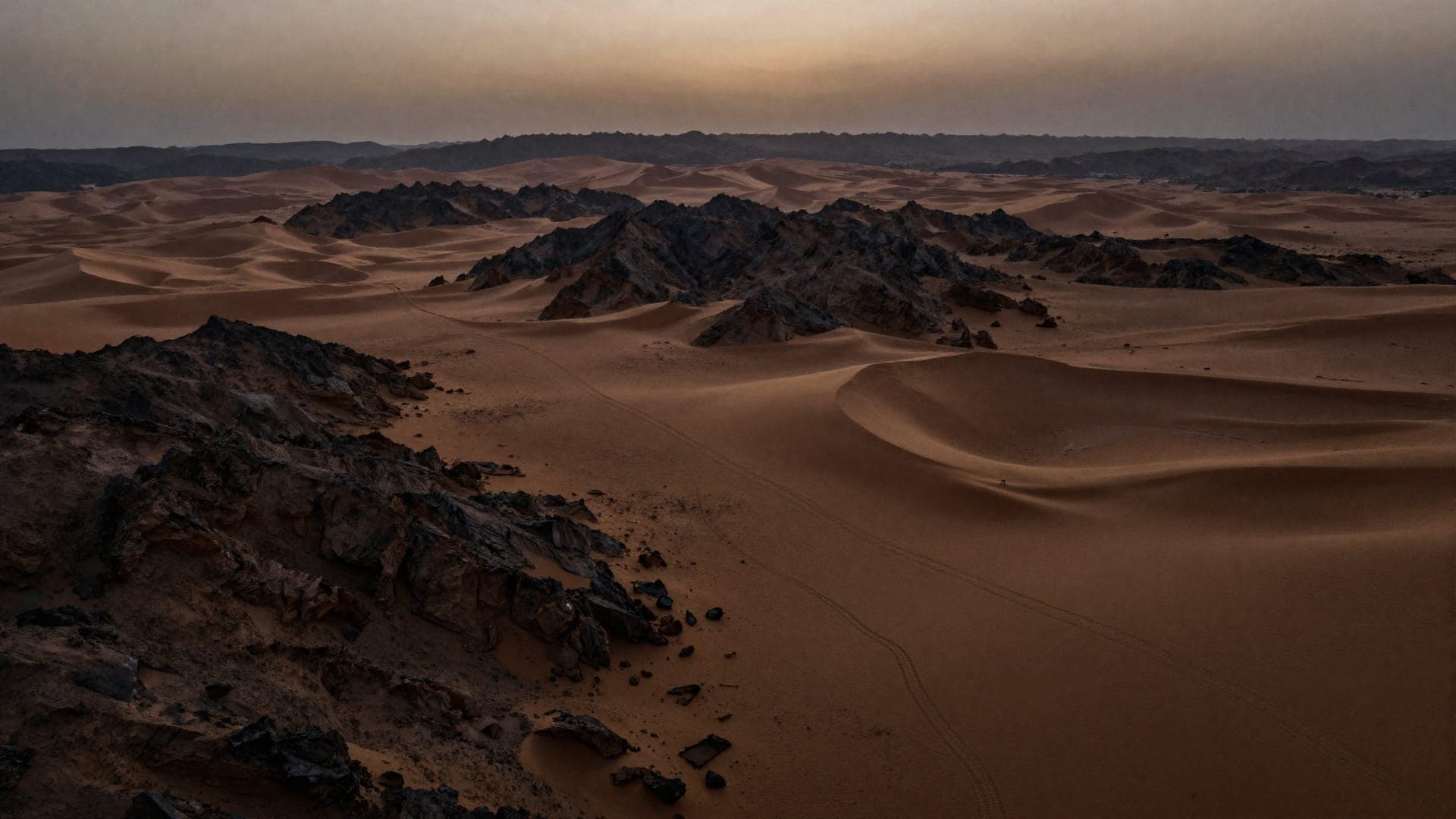
Morocco has two sand seas that a vehicle can reach, and Erg Chebbi is the one worth the drive. It is not vast by Saharan standards — you can see across it — but it stands straight up out of flat, dark hammada with no foothills and no warning, which no photograph has ever managed to convey.
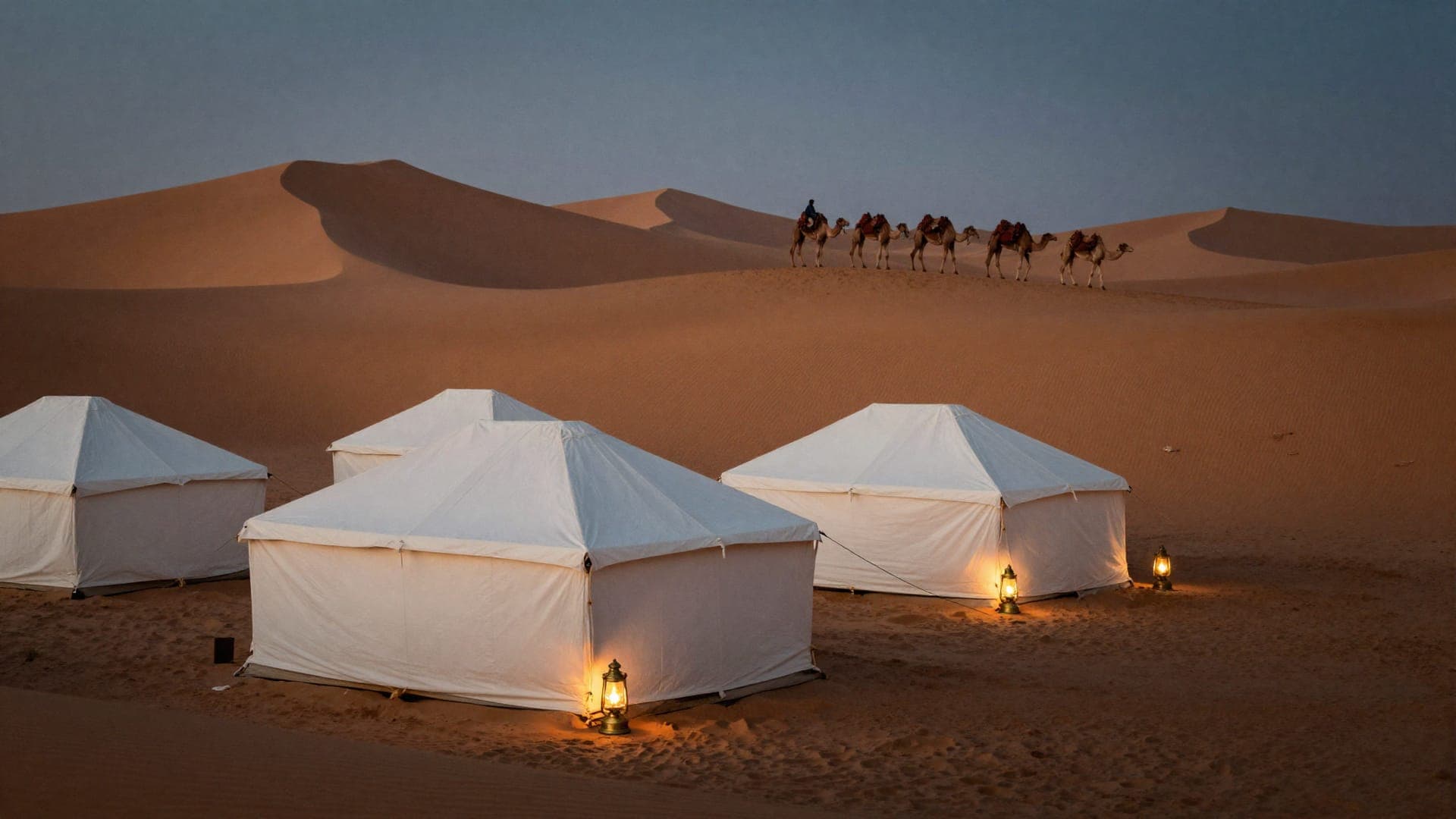
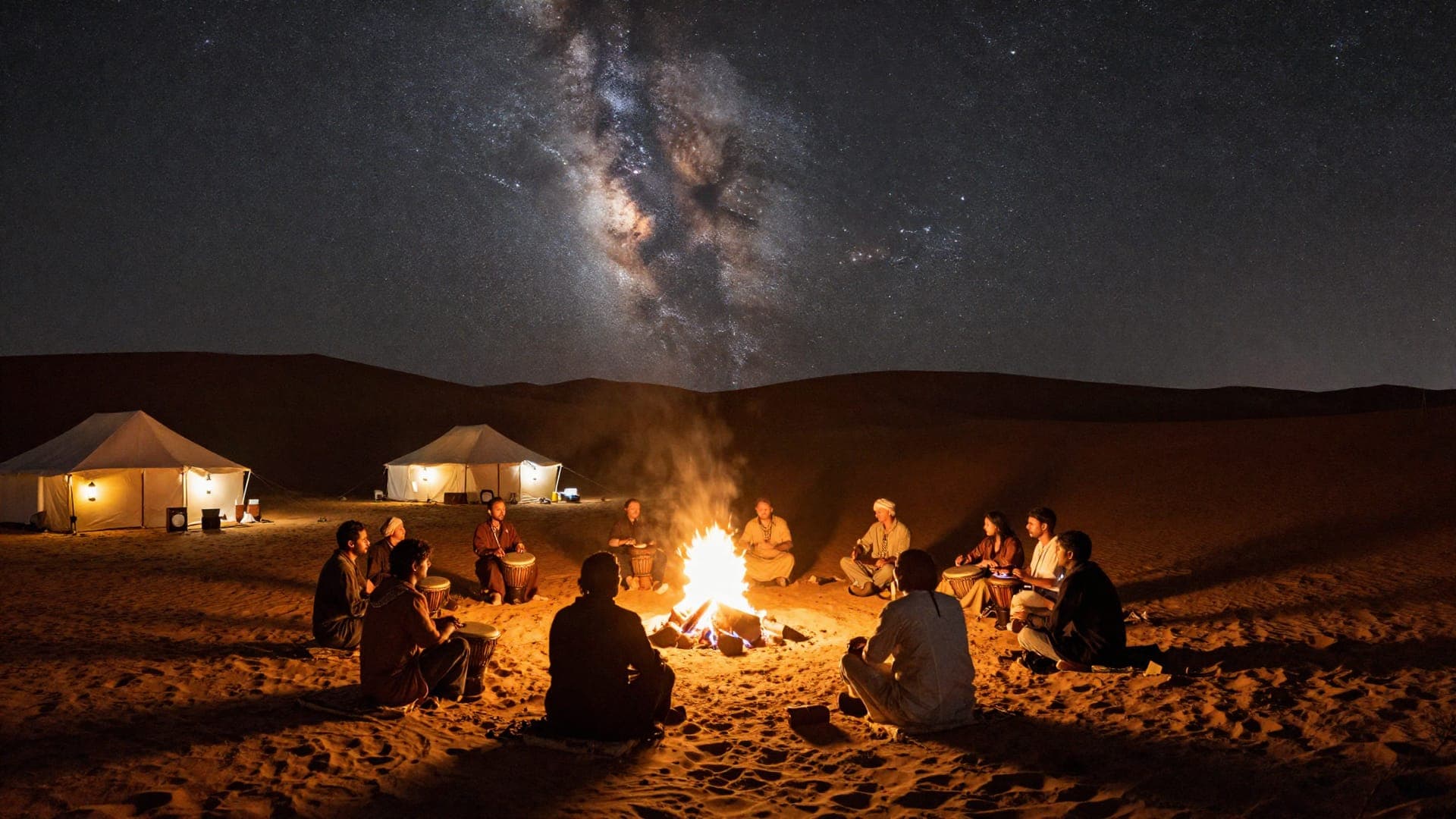
The conventional way in is on camelback in the late afternoon, over the first ridges to a camp pitched where the wind cannot reach. What actually stays with people is not the ride: it is the silence after dinner, and the fact that the sky at that latitude, with no town for an hour in any direction, has depth to it.
Every desert route funnels through the same last stretch — Erfoud, Rissani, then the tarmac stops. What differs is what you saw on the way.
More of The Sahara
Routes through the sahara
- Marrakech to Merzouga3d · Marrakech
- Marrakech to Fes3d · Marrakech
- The Ziz and the Erg3d · Fes
- Fes to Merzouga3d · Fes
- The Erg and Back4d · Marrakech
- Cedar, Ziz, Erg4d · Fes
- Fes to Marrakech, the long way4d · Fes
- Gorges and Dunes5d · Marrakech
- The Deep South6d · Marrakech
- Fes to the Draa6d · Fes
- Atlas and Atlantic8d · Marrakech
- The Grand Tour10d · Marrakech
- The Fes Circuit10d · Fes
- Casablanca to the Sahara10d · Casablanca
- Strait to the Atlas10d · Tangier
- The Long Way South12d · Casablanca
- Strait to Sahara12d · Tangier
- The Full Traverse14d · Tangier
- The Fifteen15d · Casablanca
026 routes come through
The High Atlas
The wall between Marrakech and everything south of it.
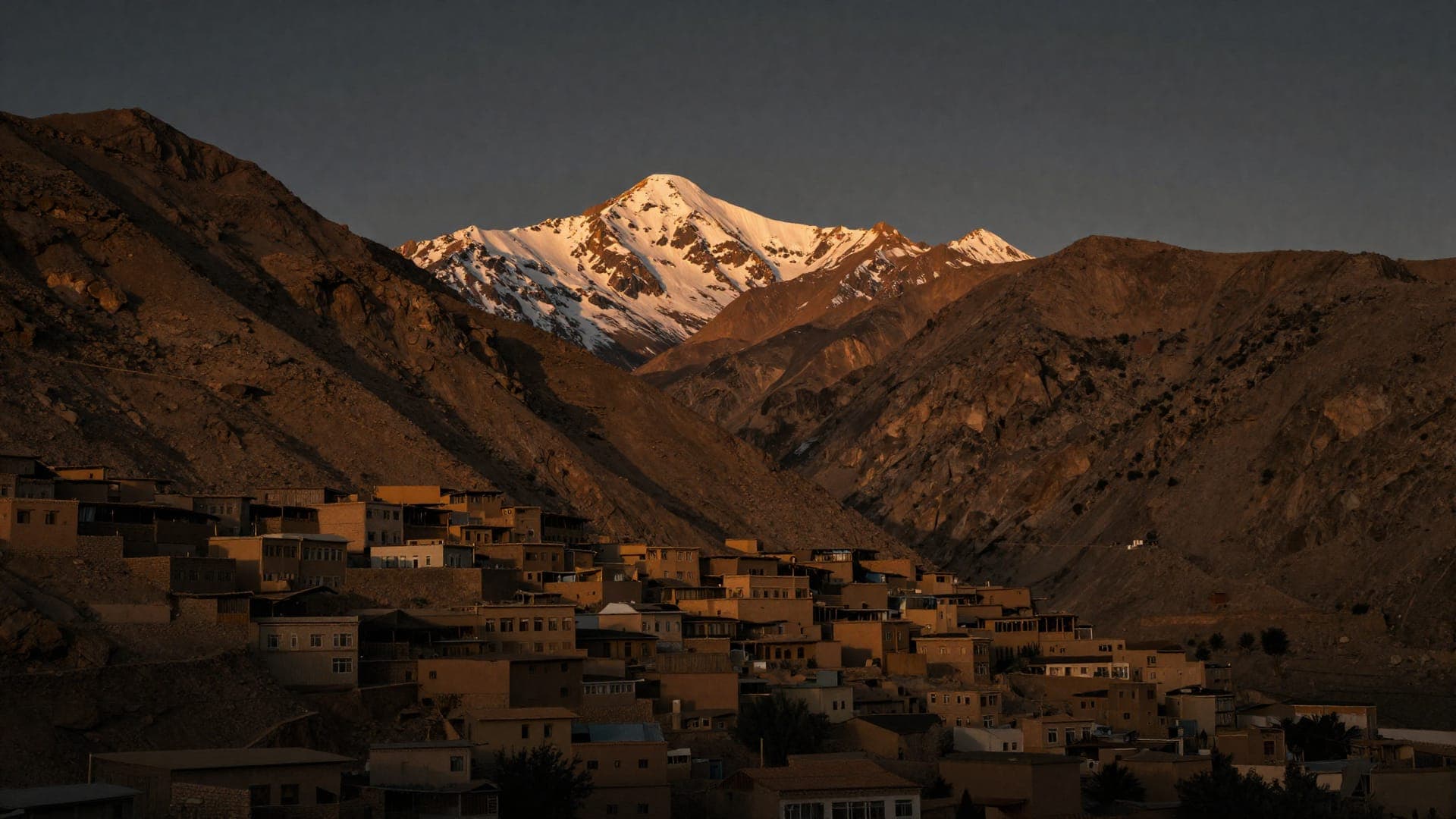
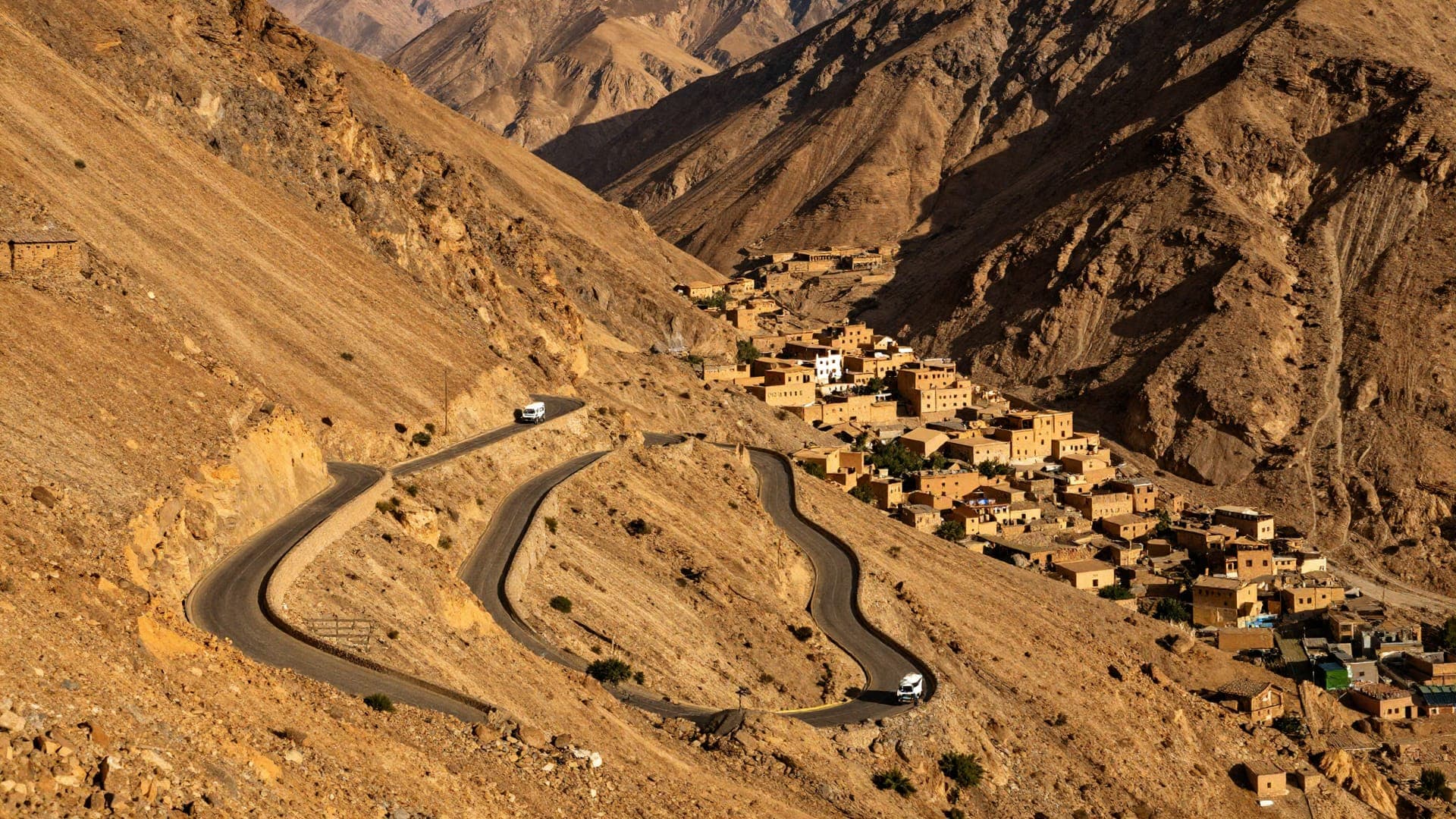
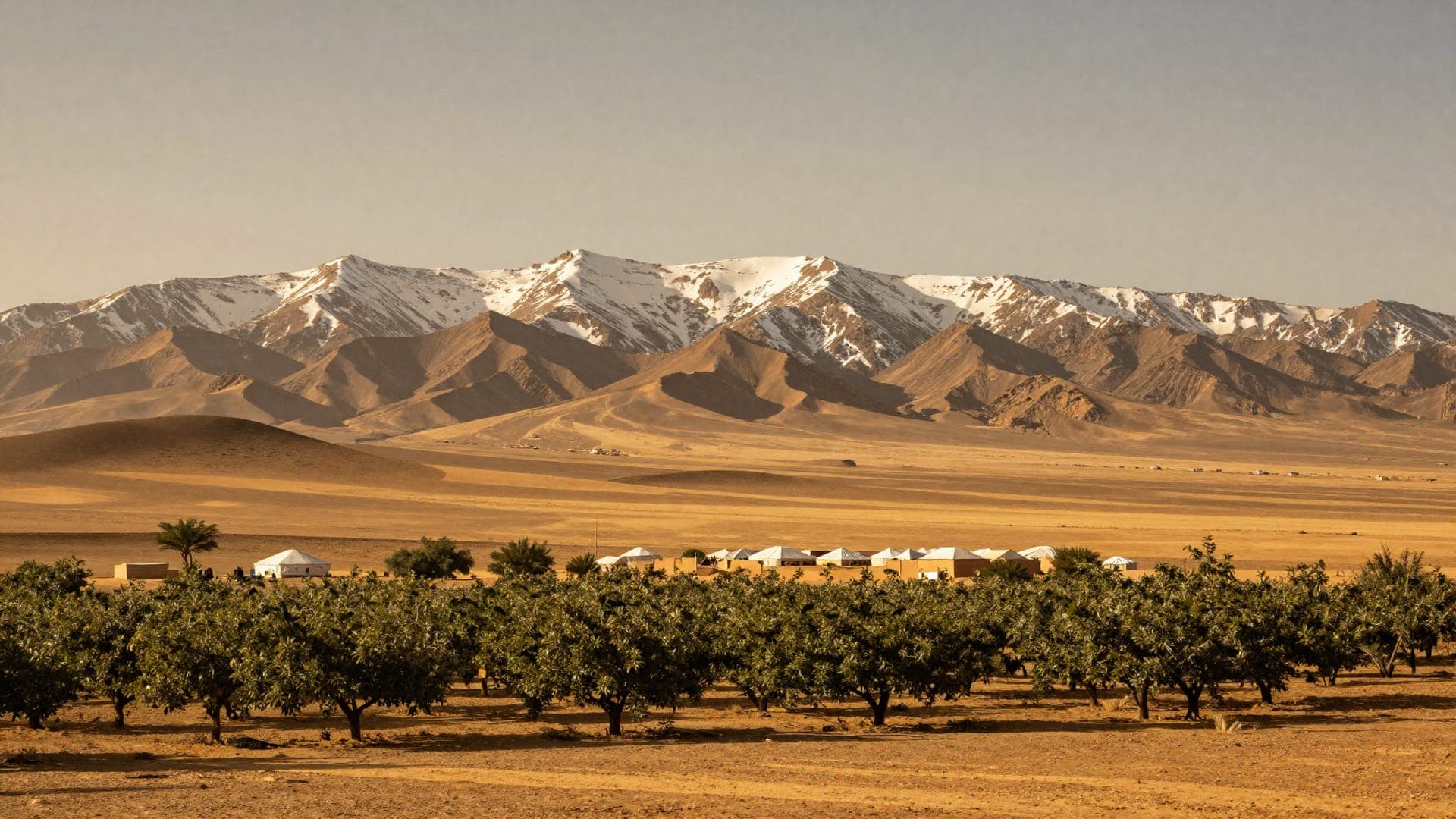
The High Atlas is the reason the south of Morocco looks nothing like the north. It runs the whole width of the country, it holds snow into May, and until the Tizi n’Tichka was cut through it the only way across was on foot with a mule.
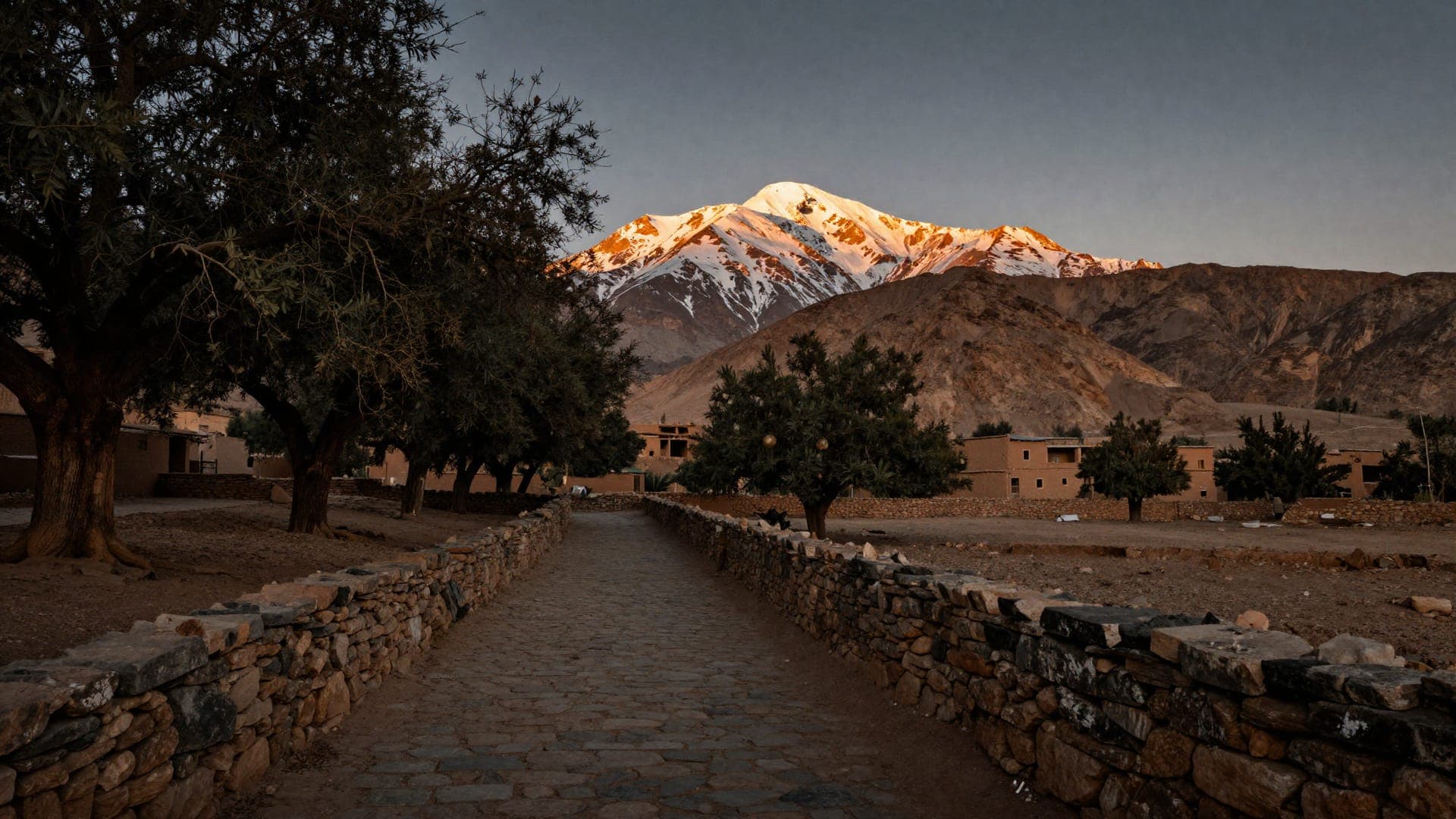
It is also where Amazigh Morocco is least diluted. The valleys on both flanks are farmed in terraces that are worked by hand because nothing else fits between the walls, and the villages are built from the ground they stand on — flat-roofed, earth-coloured, close to invisible until you are inside them.
Most routes cross it in a morning. Imlil is what it looks like when you stop.
More of The High Atlas
0320 routes come through
The kasbah valleys
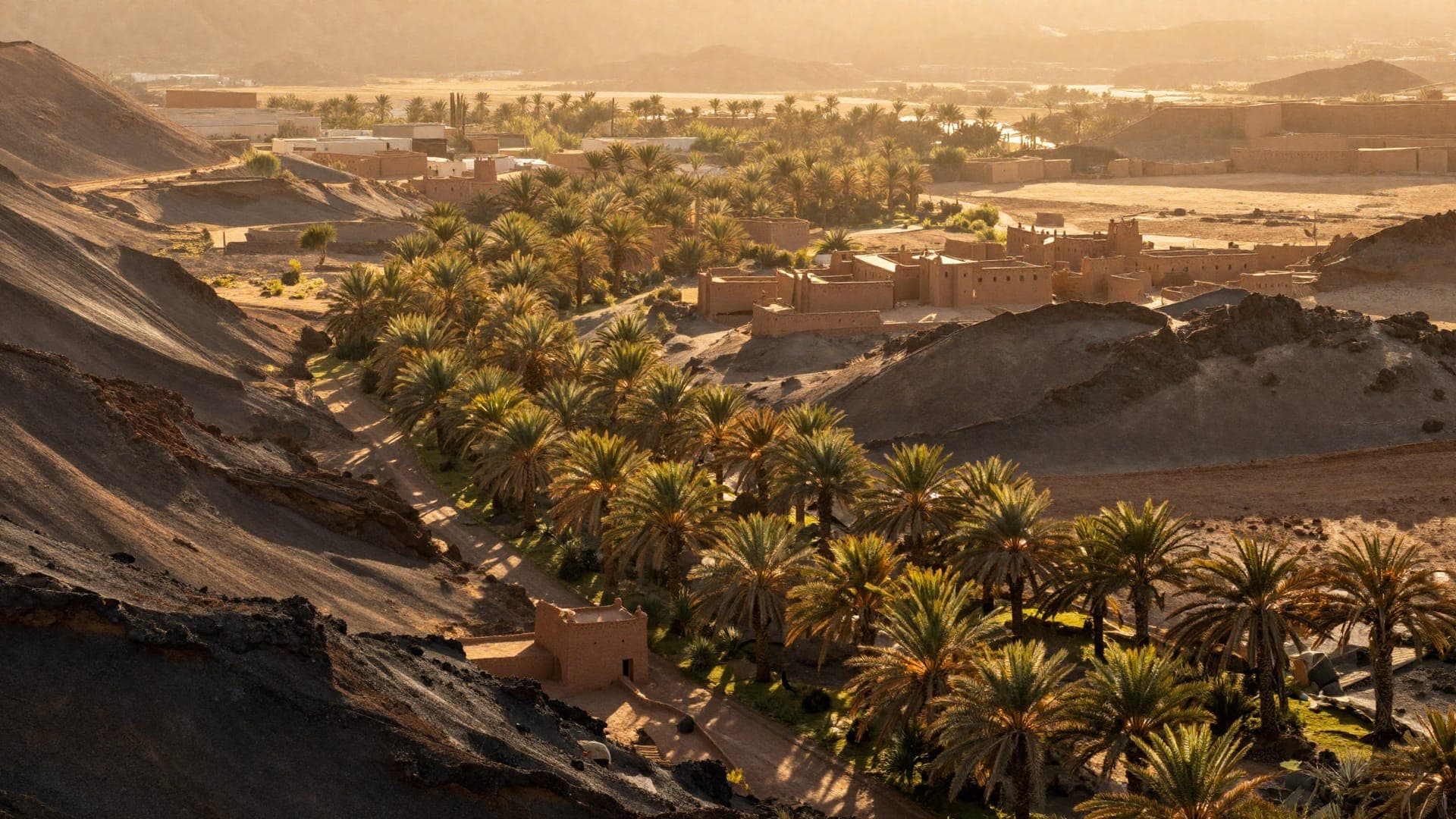
Dades, Todra, Draa, Skoura — the oases strung along the south side.
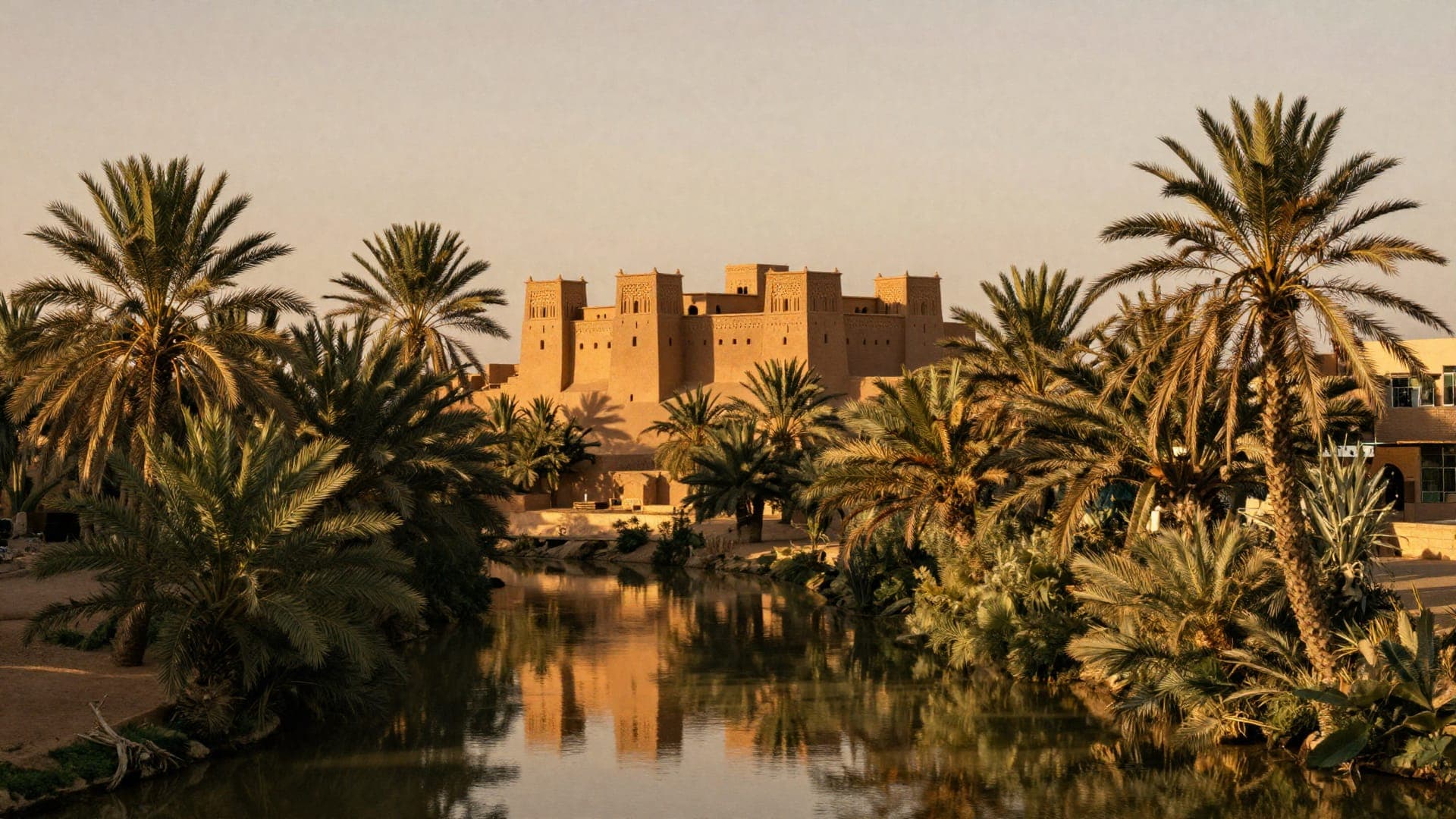
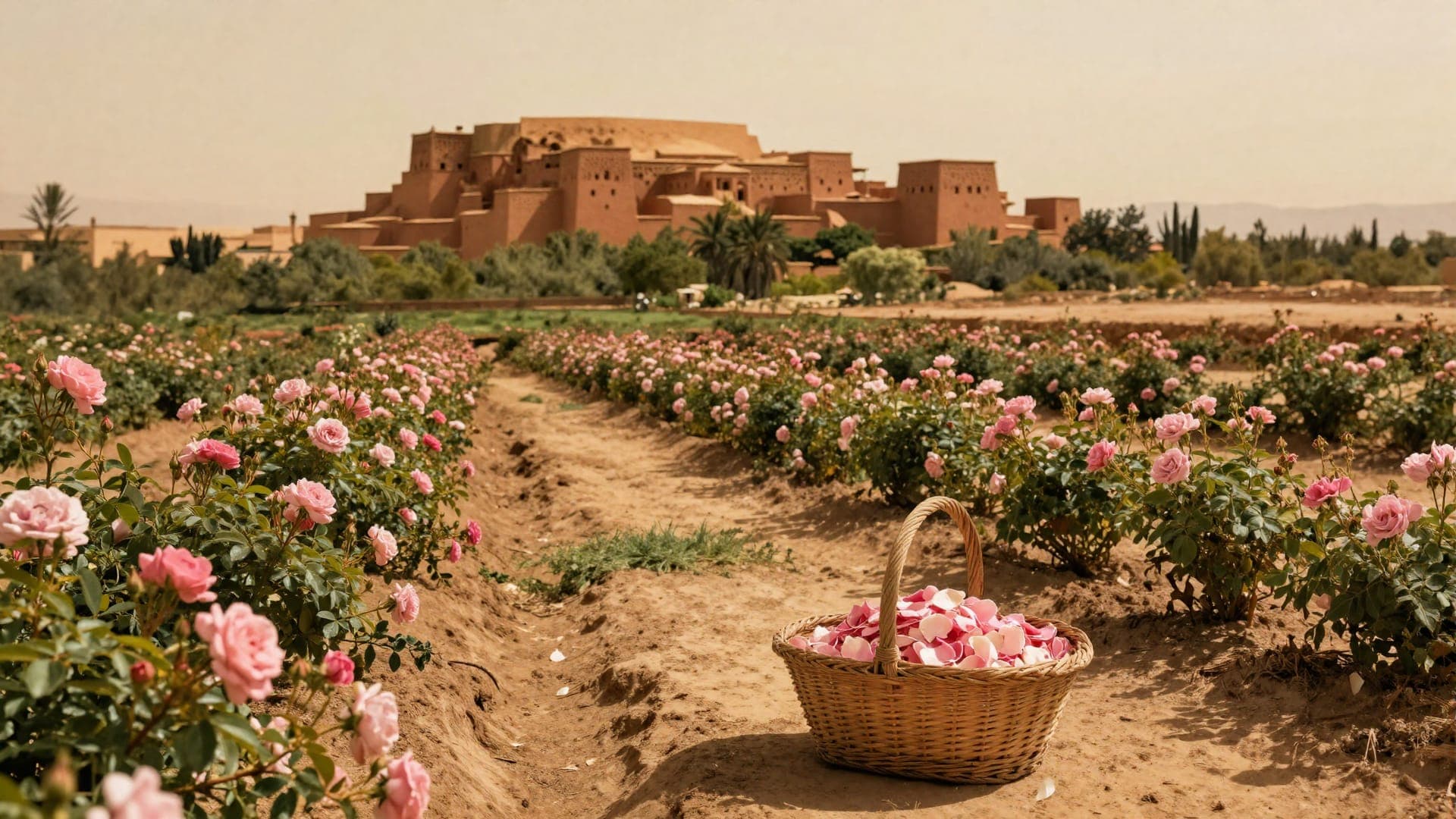
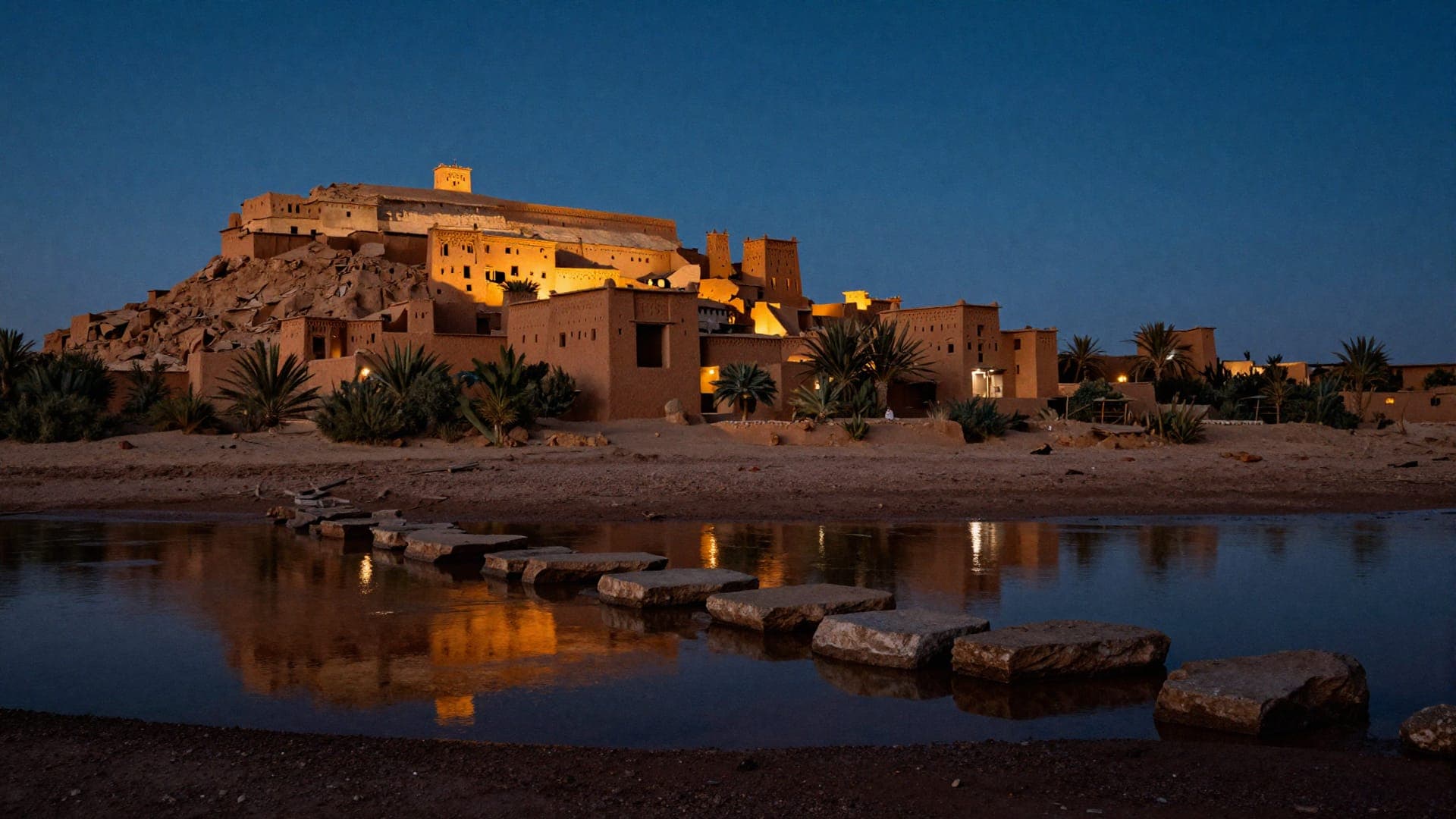
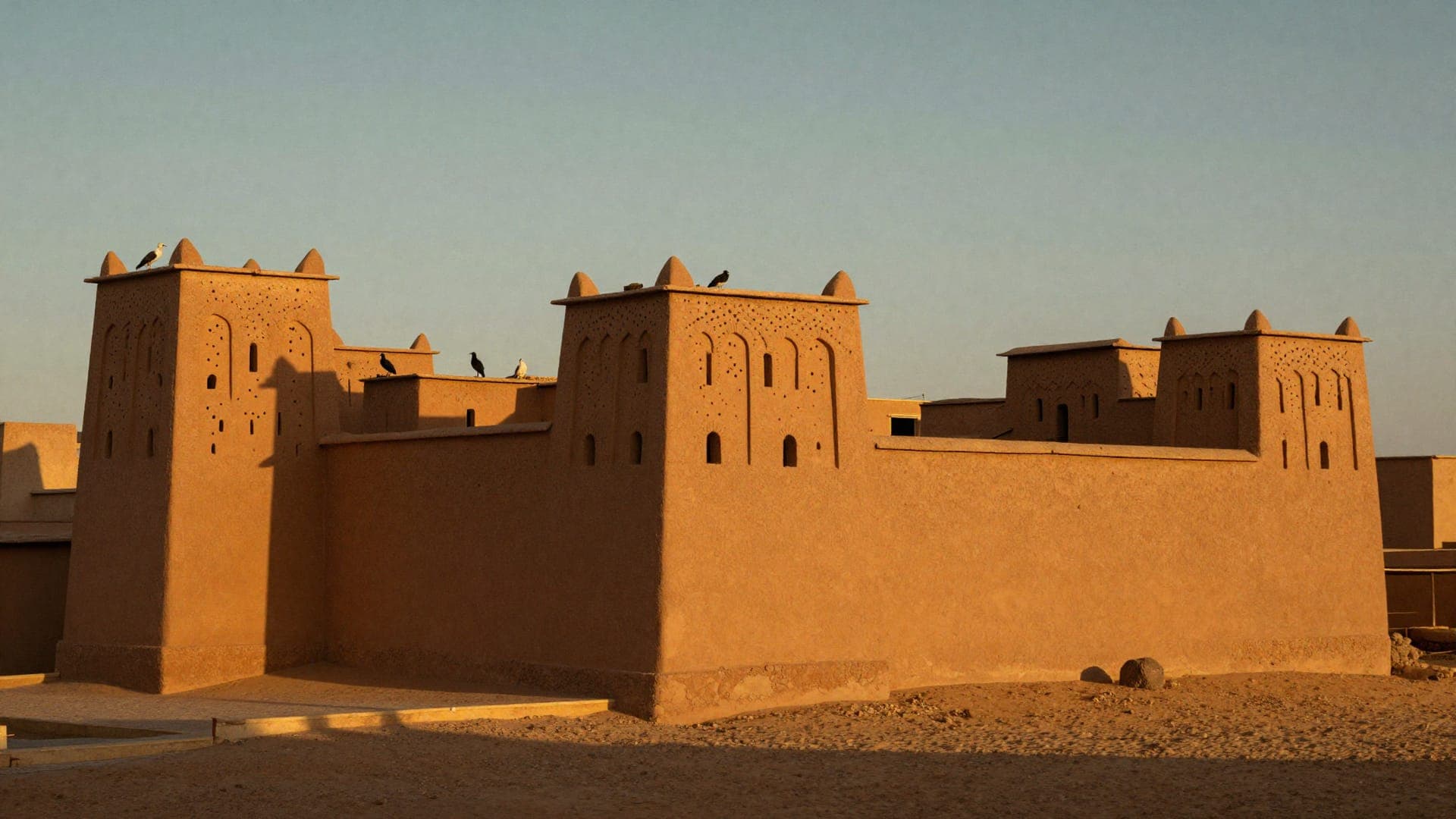
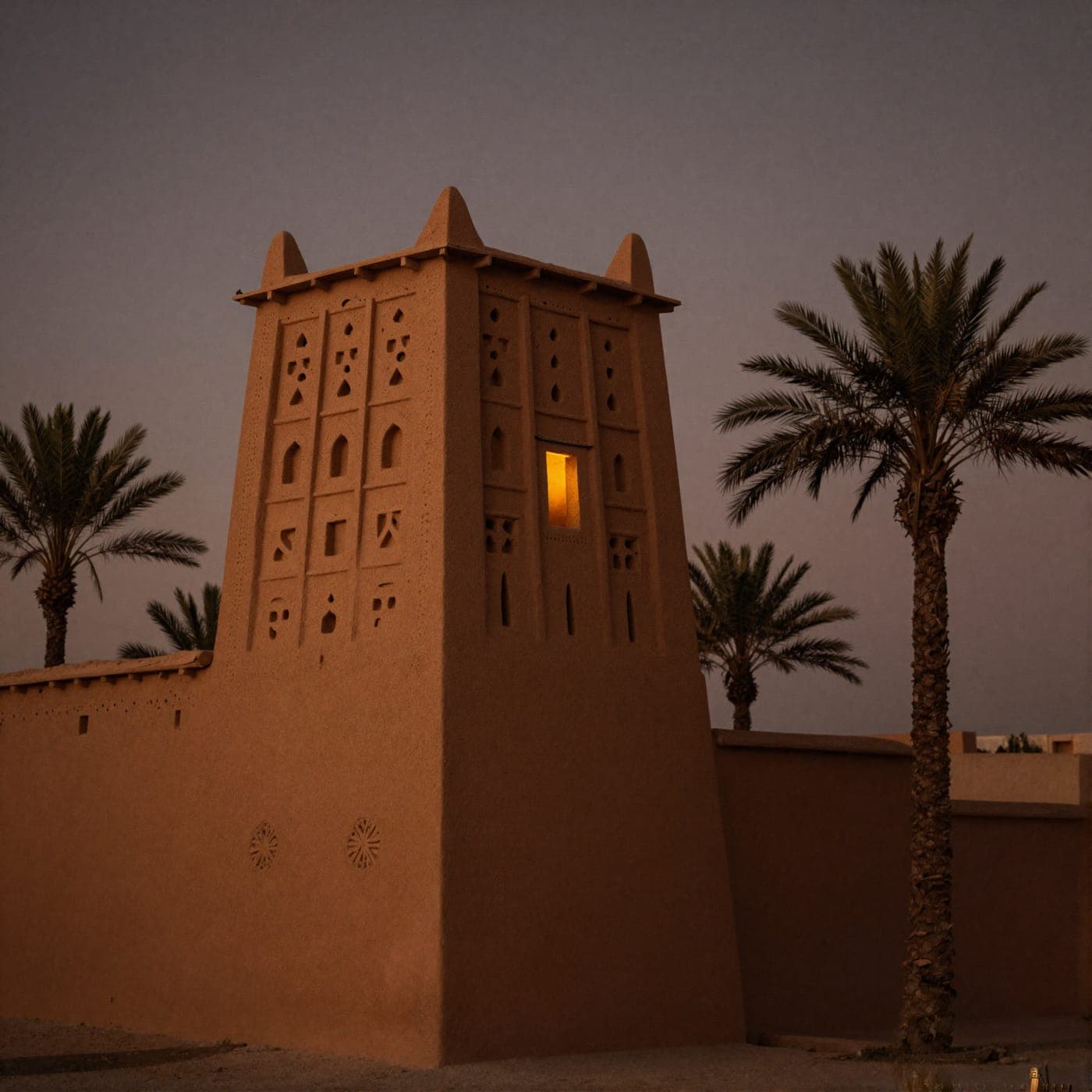
South of the Atlas the rivers run out of the mountains and die in the desert, and everything human happens in the narrow green line in between. That line is where the kasbahs are: fortified earth houses with tapering towers and incised brick panels, built by families rather than kings, and mostly built to keep other families out.
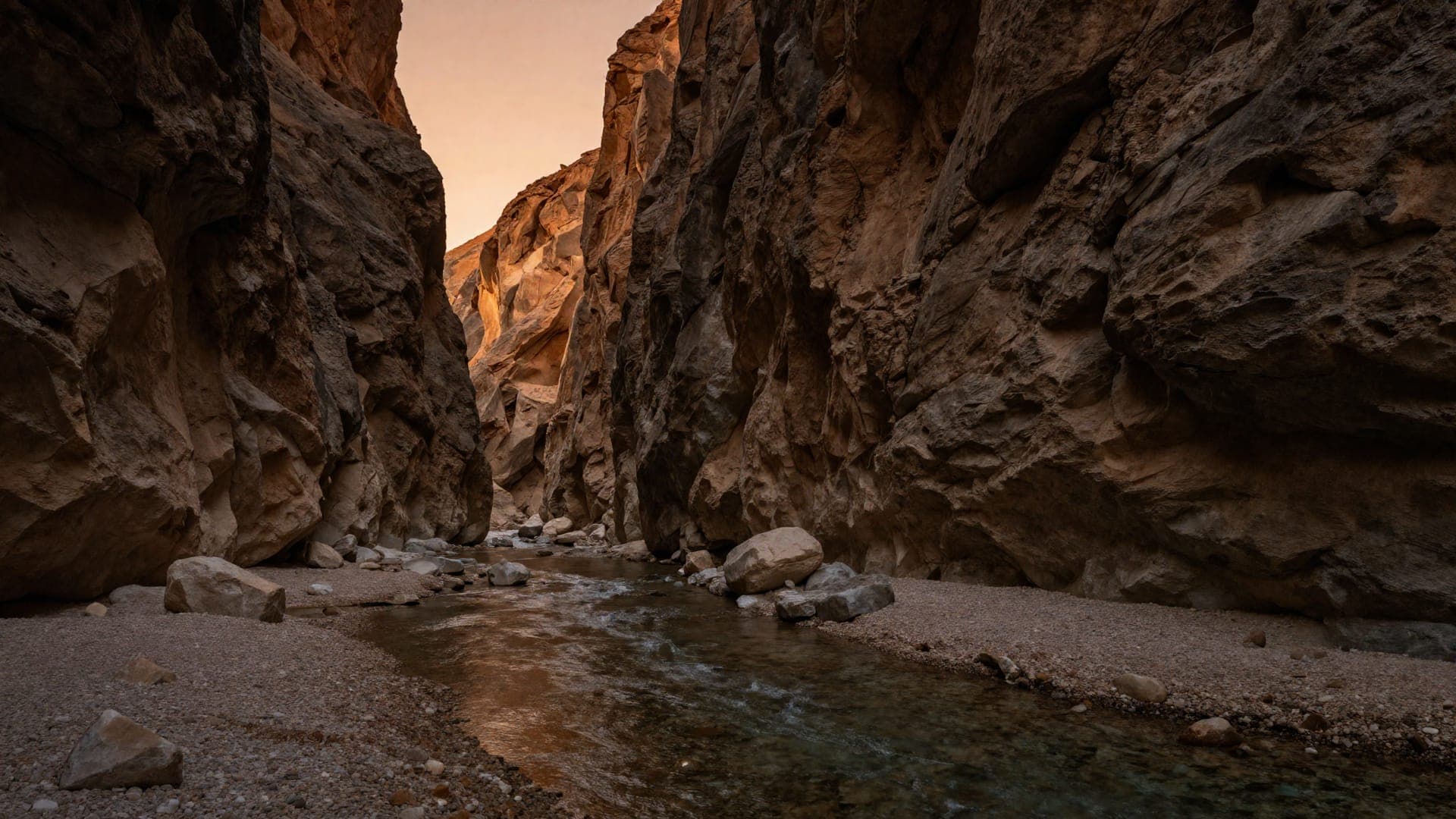
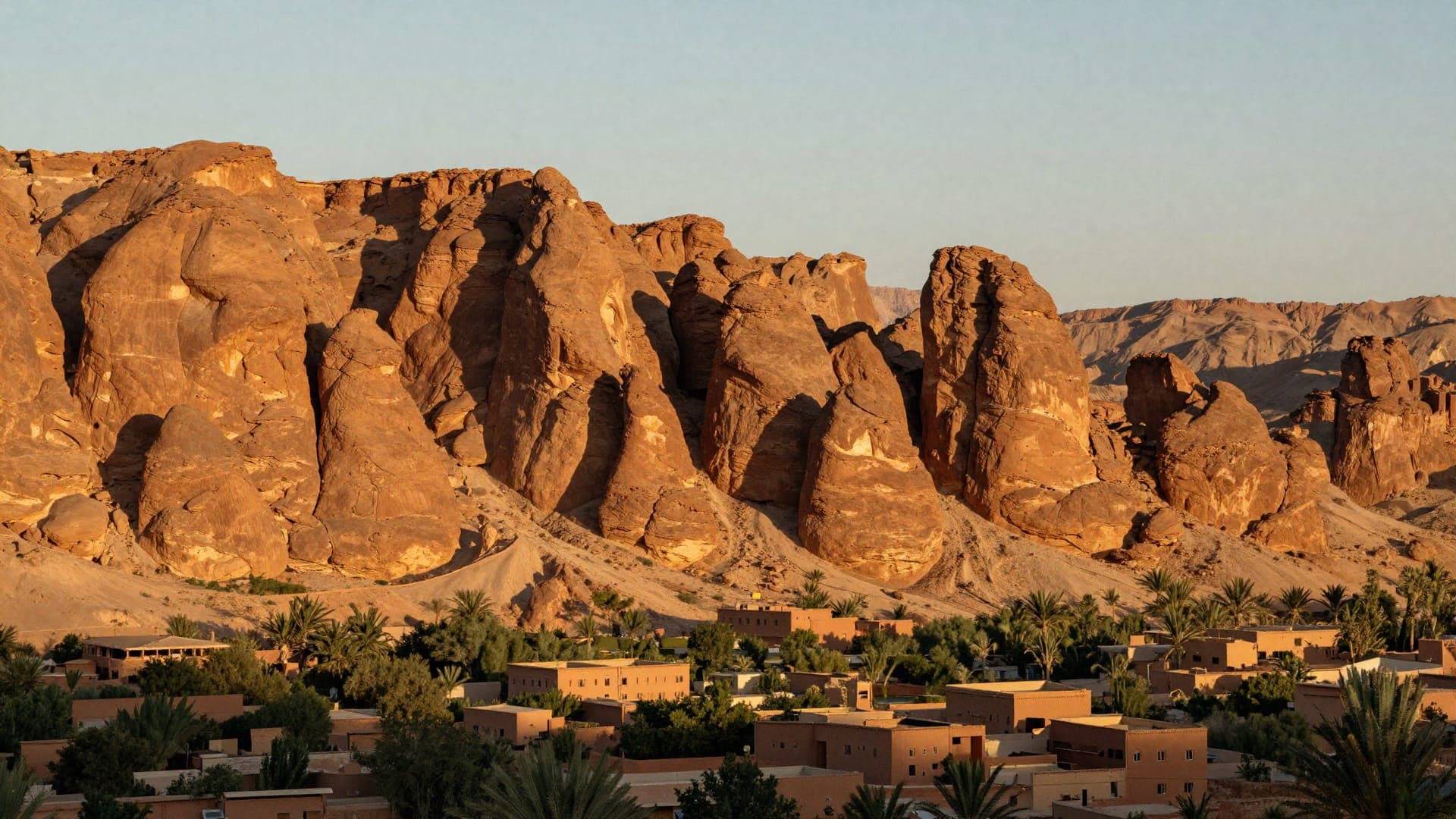
The Dades and the Todra cut back north into the rock, and both are worth walking rather than driving through — the Todra because the walls go up further than you can see from a car, the Dades because of the smooth red formations standing over the oasis like a set of knuckles. Between them the valley floor is roses, and in May the whole of it smells like it.
Skoura is the quietest of them and the best: a palmery with kasbahs still inside it, several still lived in.
More of The kasbah valleys
Routes through the kasbah valleys
- Aït Benhaddou & Ouarzazate1d · Marrakech
- Marrakech to Merzouga3d · Marrakech
- Marrakech to Fes3d · Marrakech
- The Two Gorges3d · Marrakech
- The Erg and Back4d · Marrakech
- Cedar, Ziz, Erg4d · Fes
- Fes to Marrakech, the long way4d · Fes
- Gorges and Dunes5d · Marrakech
- The Deep South6d · Marrakech
- Fes to the Draa6d · Fes
- Atlas and Atlantic8d · Marrakech
- The Imperial Cities8d · Casablanca
- The Grand Tour10d · Marrakech
- The Fes Circuit10d · Fes
- Casablanca to the Sahara10d · Casablanca
- Strait to the Atlas10d · Tangier
- The Long Way South12d · Casablanca
- Strait to Sahara12d · Tangier
- The Full Traverse14d · Tangier
- The Fifteen15d · Casablanca
047 routes come through
The Middle Atlas & the Ziz
Cedar forest, alpine towns, and the palmery that leads you to the sand.
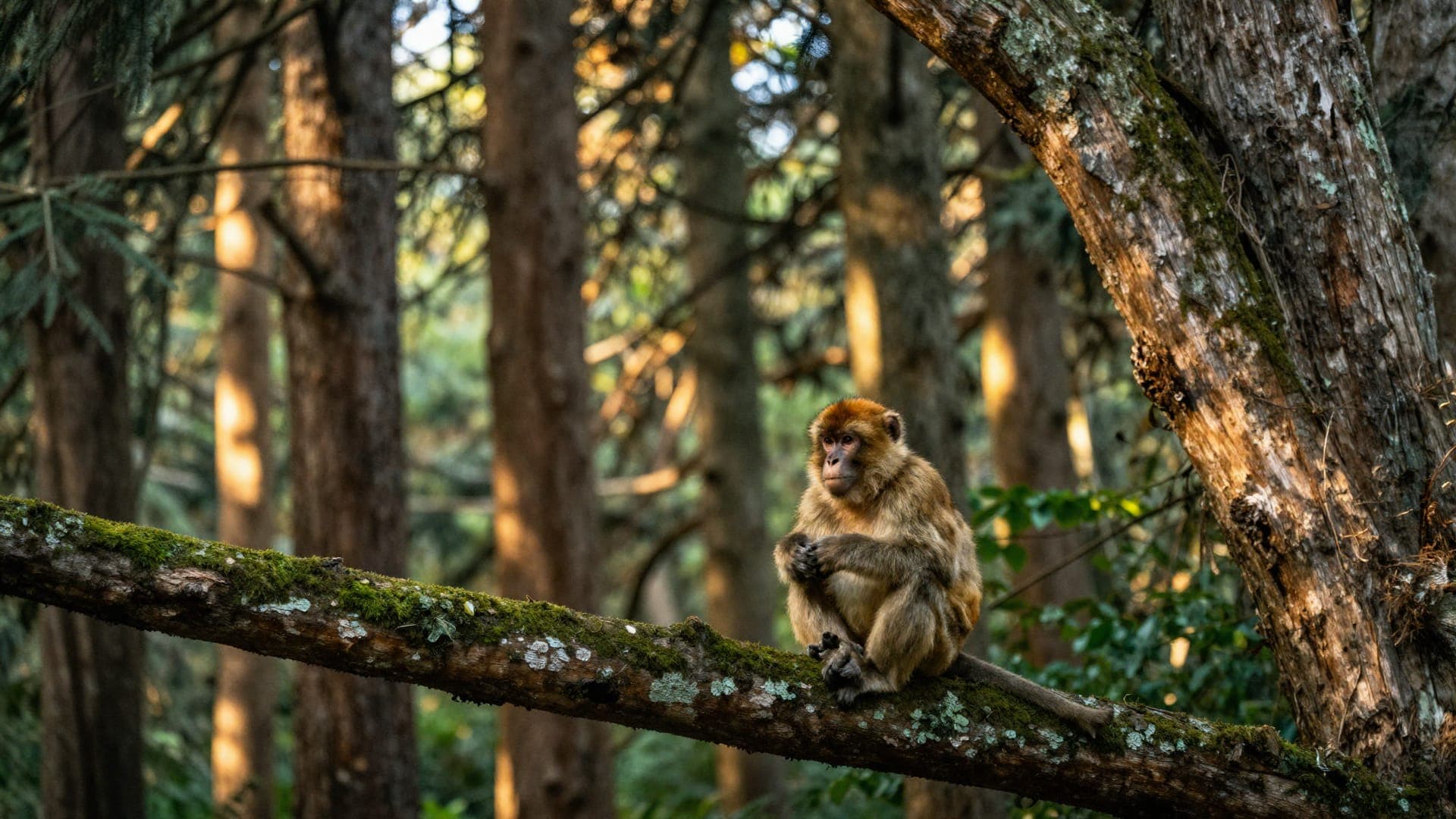
The Middle Atlas is the part of the country almost nobody comes for and everybody remembers. It is green, it is high, and above Azrou it is covered in Atlas cedar — enormous, dark, and full of Barbary macaques who have entirely worked out what a car park means.
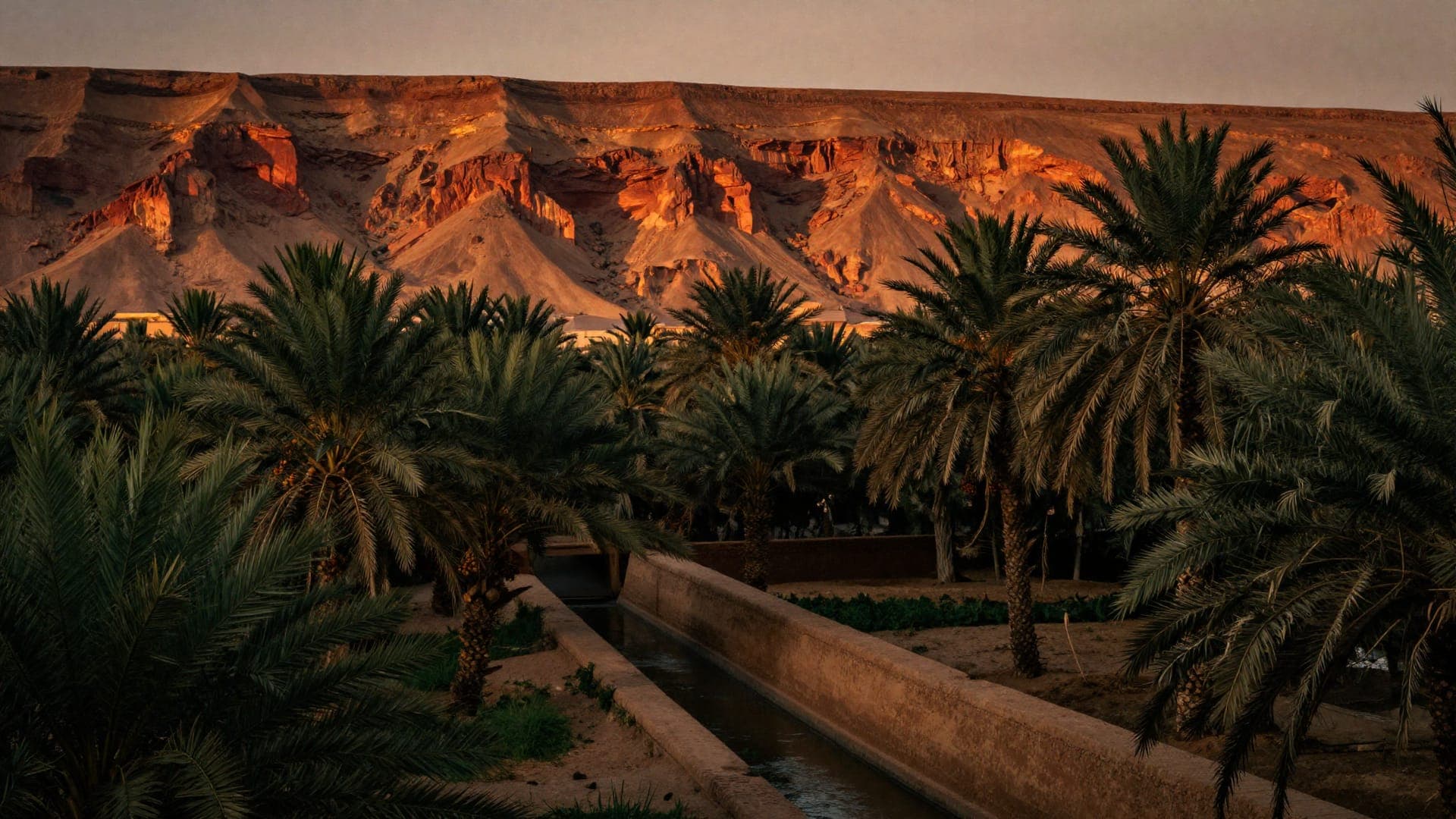
Ifrane, further up, has pitched roofs and a ski season, which takes most people a moment. Past Midelt the plateau opens, empties, and then drops into the Ziz: a gorge that gives out into a palmery running unbroken along the riverbed for as far as the road follows it, which is a long way.
This is the corridor every Fes-to-desert route uses, and it is the reason those routes are more interesting than the Marrakech ones.
More of The Middle Atlas & the Ziz
057 routes come through
The Atlantic coast
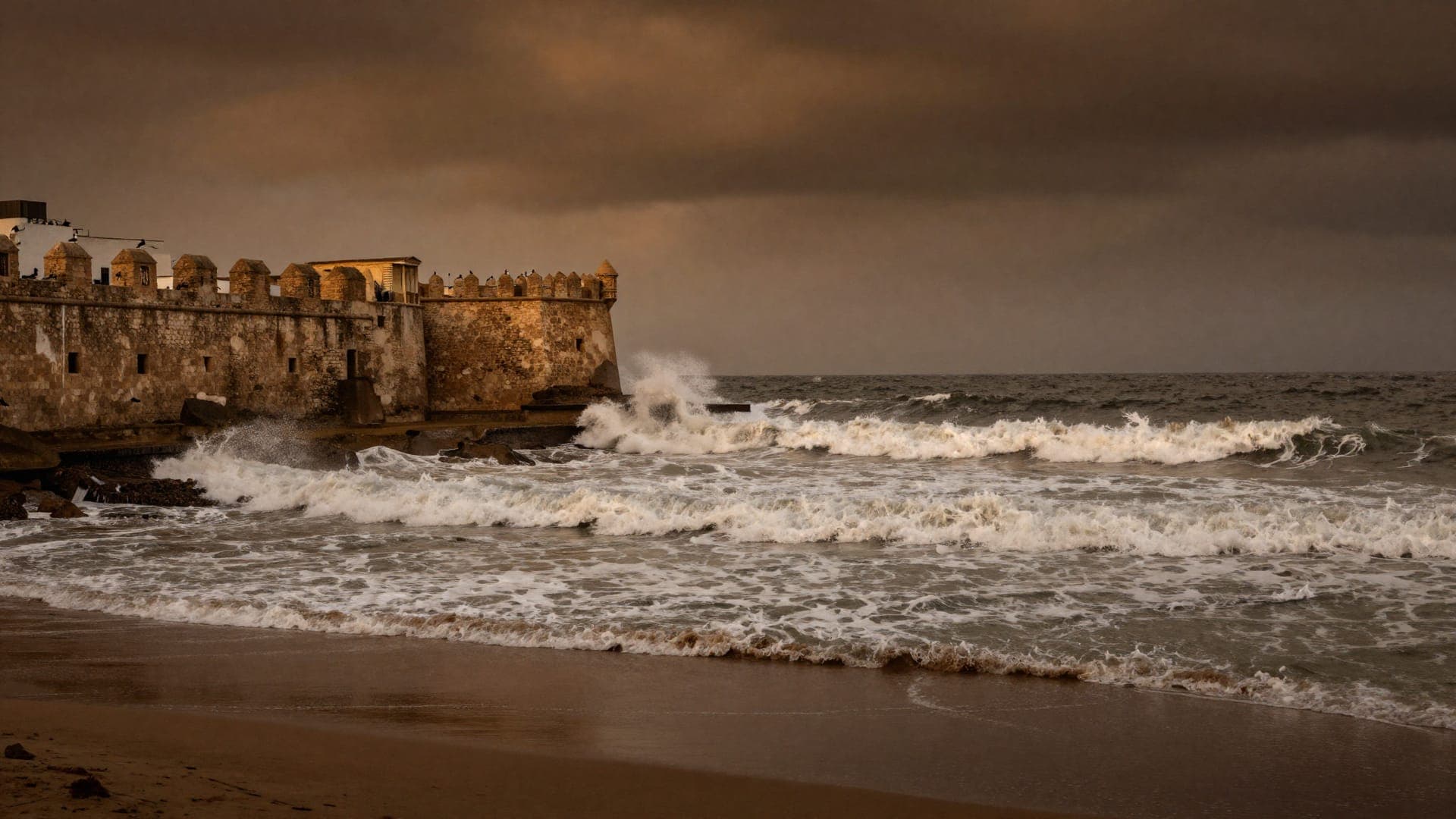
Wind, ramparts, argan and cold water, from Essaouira up to El Jadida.
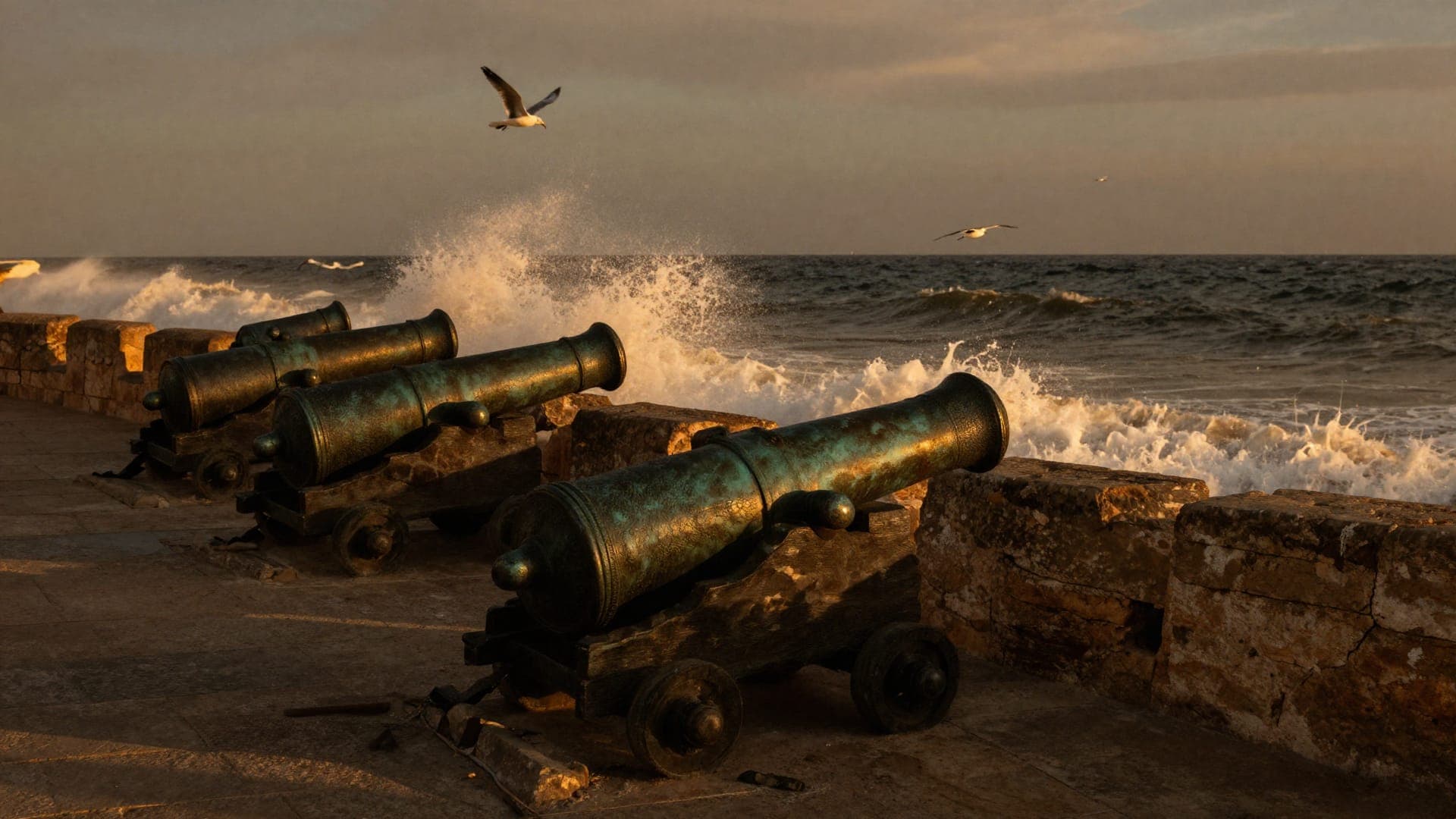
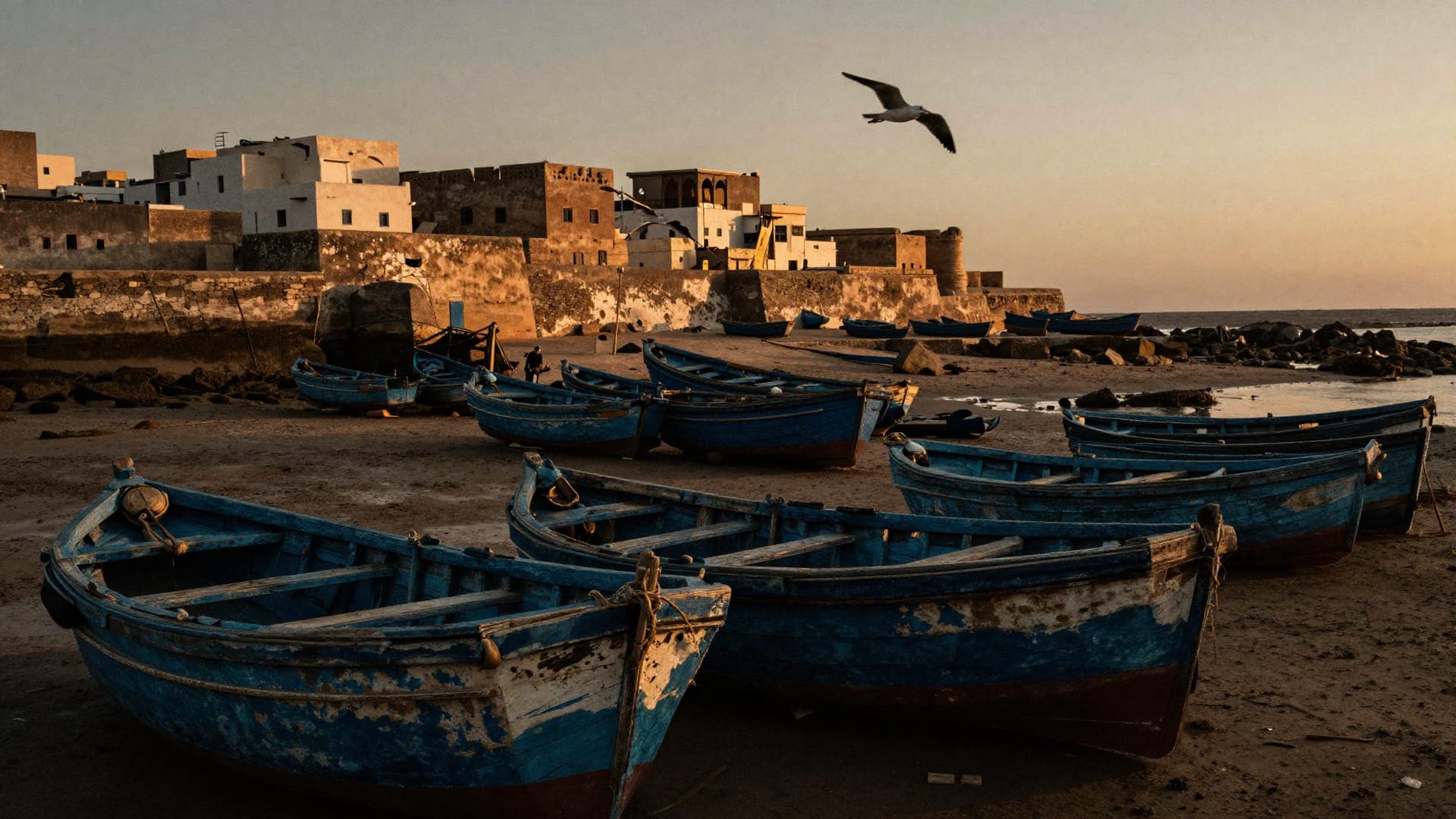
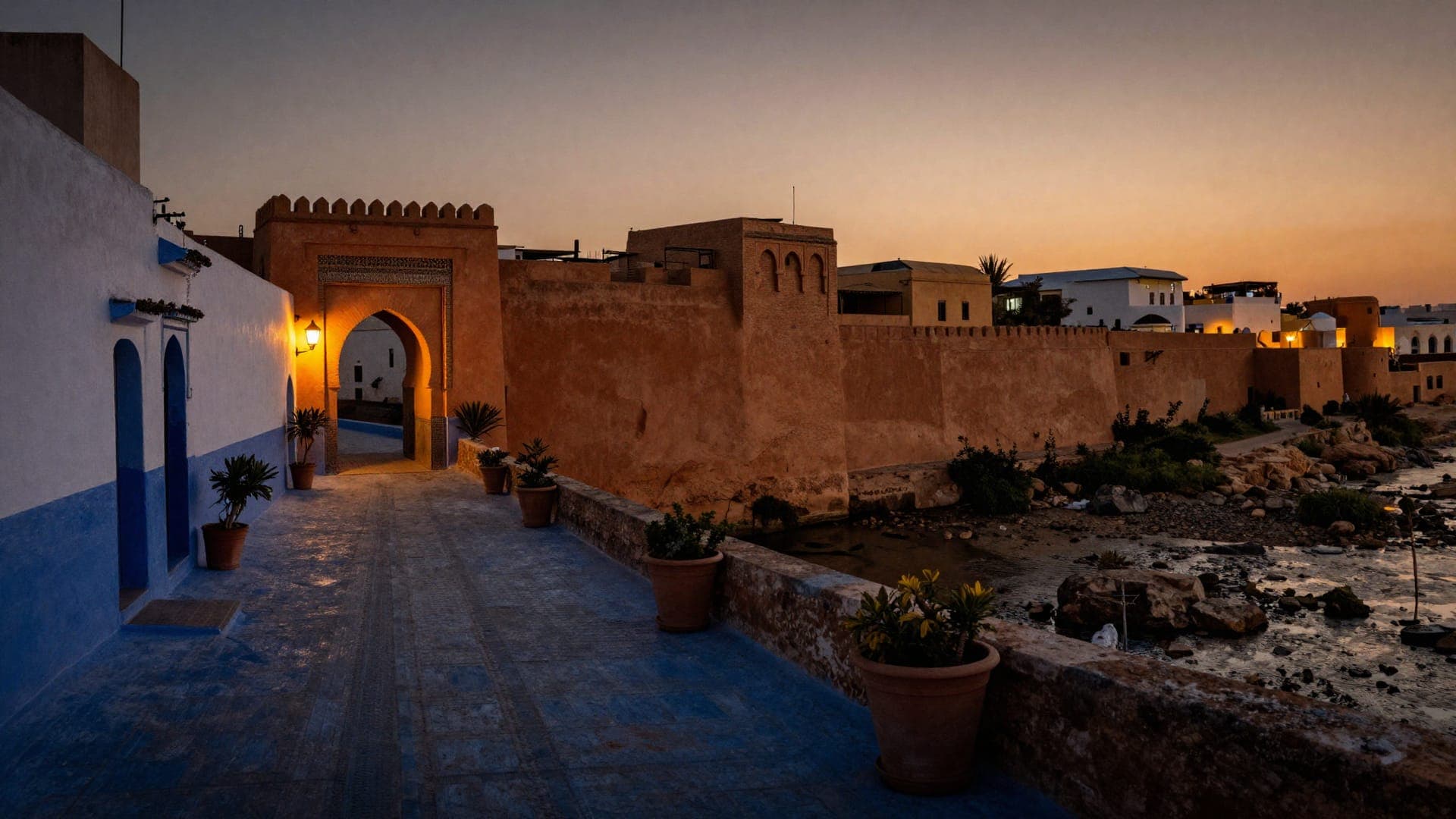
The Atlantic side of Morocco runs cool and windy while the interior bakes, which is the whole reason Marrakech empties towards it every August. Essaouira is the anchor: Portuguese sea walls, a blue working harbour that still smells like one, and a medina laid out on a grid — a considerable kindness after Marrakech.
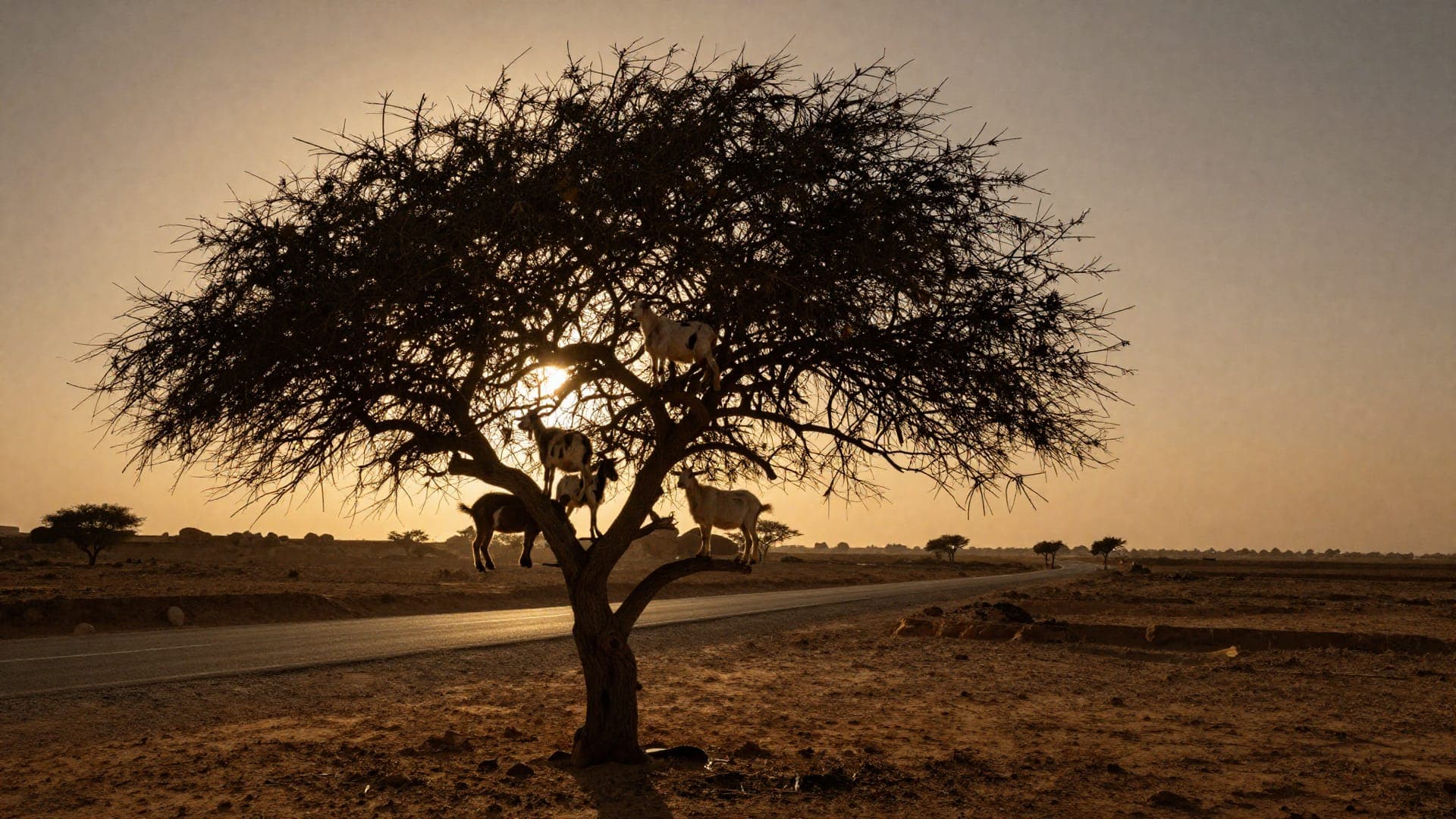
The road in from Marrakech goes through argan country, where the goats climb the trees for the fruit and the entire roadside economy is built around people stopping to look at them. North of Essaouira the coast is barely visited: Safi and its potters, the lagoon and oysters at Oualidia, and the Portuguese cistern at El Jadida, where the light comes through one hole in the roof and lands on standing water.
More of The Atlantic coast
069 routes come through
The Rif & the North
Blue lime, wet mountains, and the Mediterranean at the end of them.
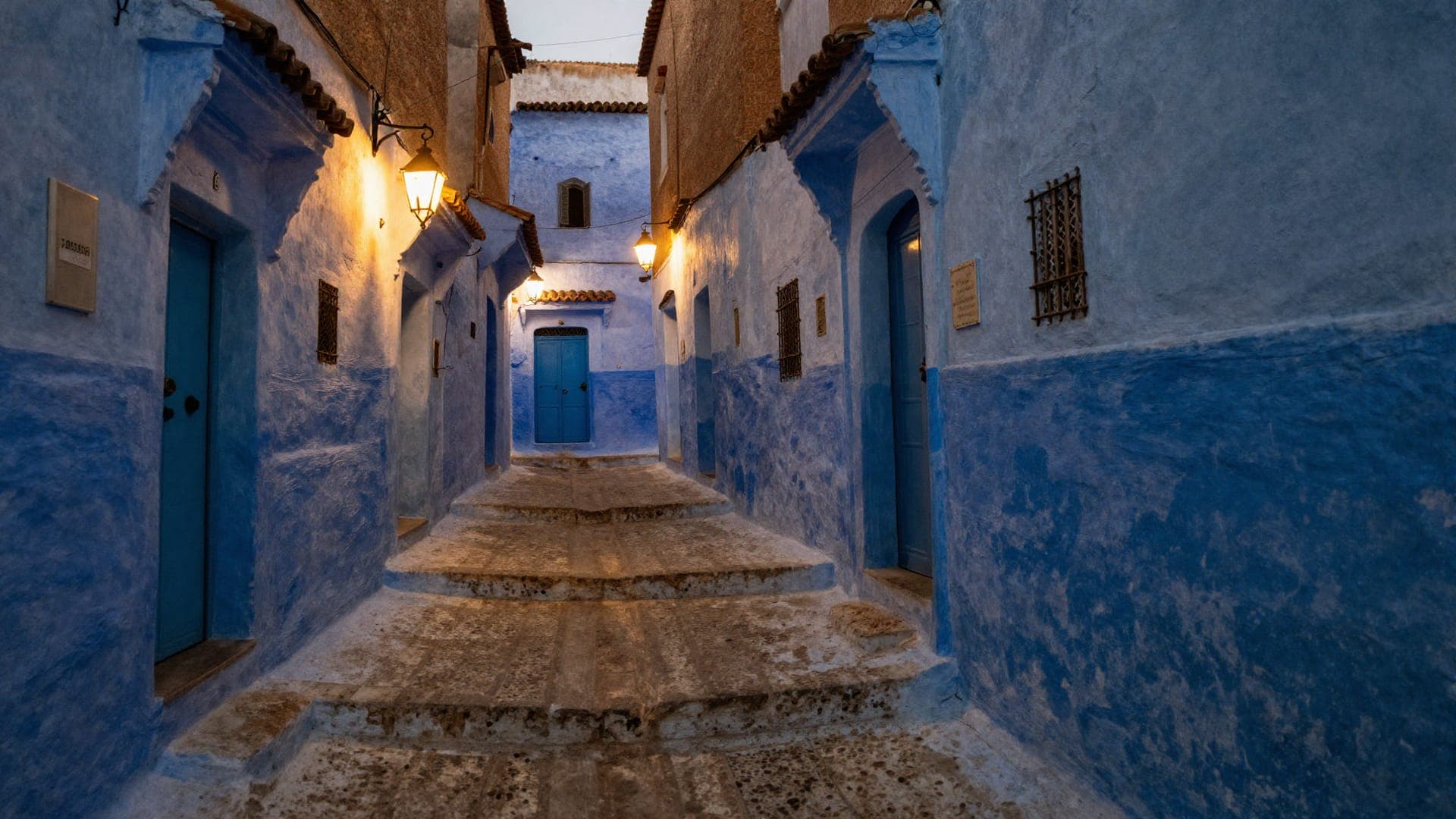
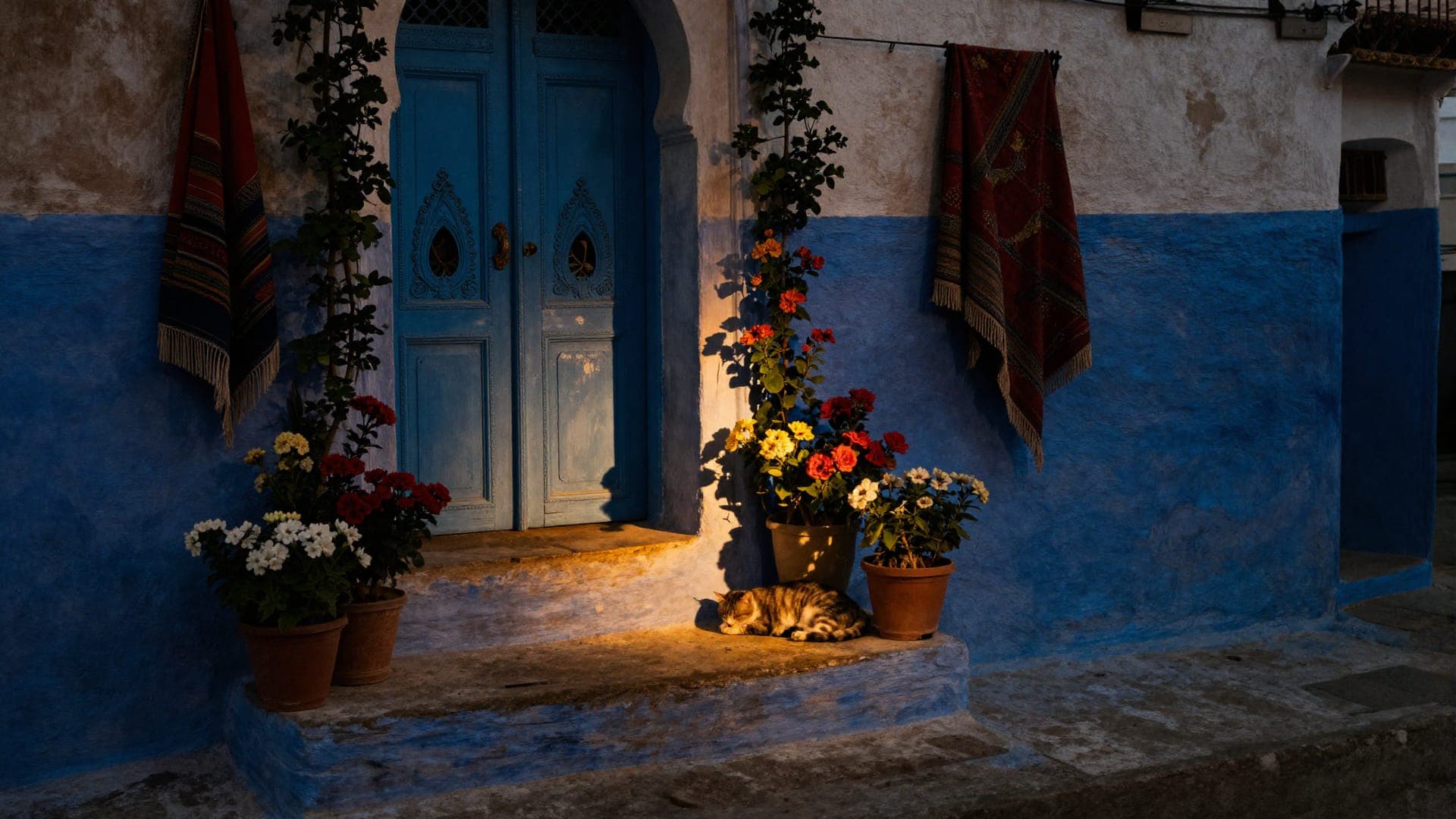
The Rif is steep, green and wet, and it looks and feels nothing like the rest of the country. Chefchaouen sits in a fold of it, lime-washed blue from the doorsteps up — repainted constantly, in whatever the household could get, so it runs from near-white to something close to indigo down a single staircase.
One day there is enough to see it and not enough to be in it. Two lets you walk up to the Spanish mosque for the view back over the roofs in the morning, and out to the pools and the stone arch at Akchour in the afternoon.
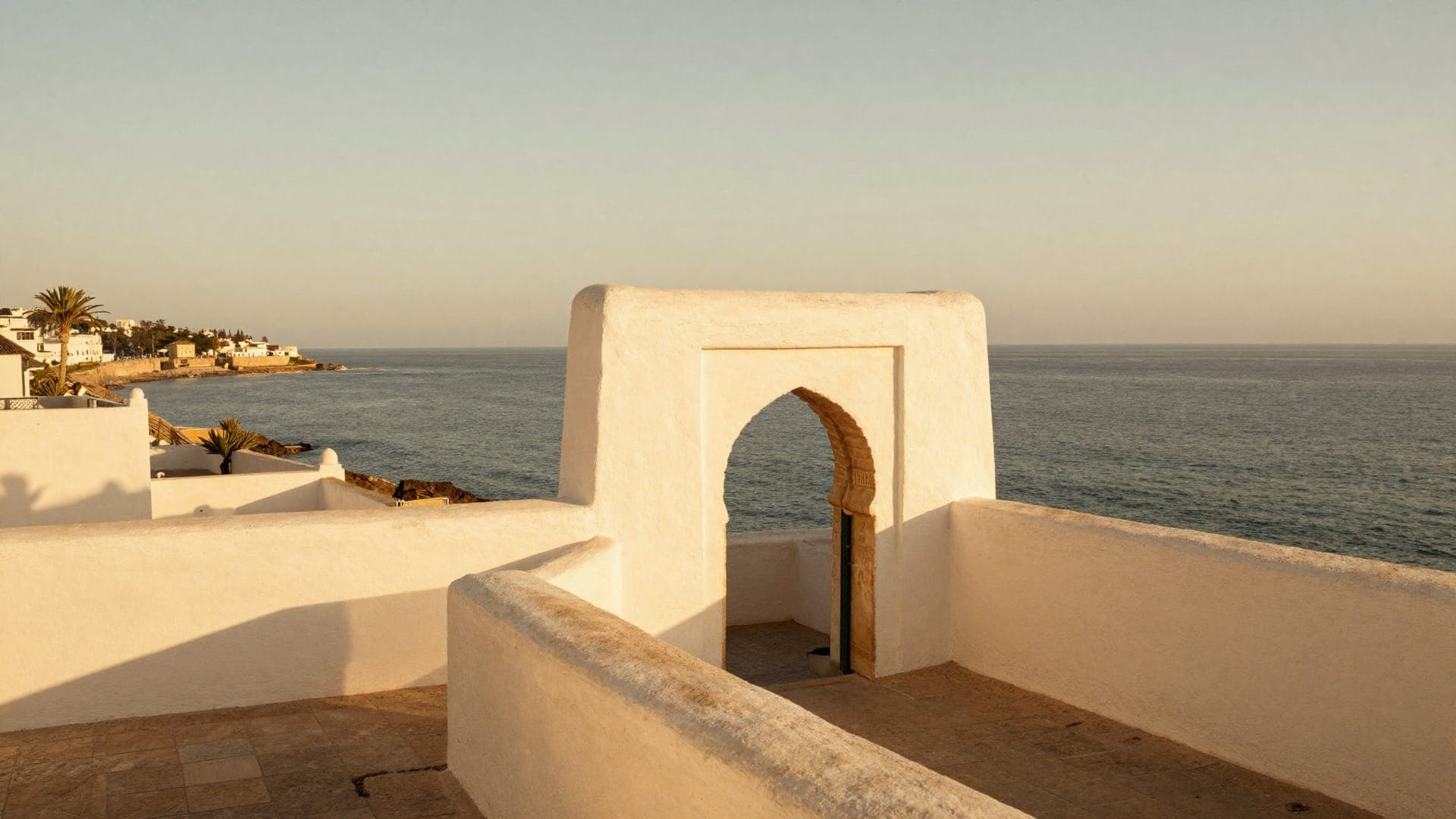
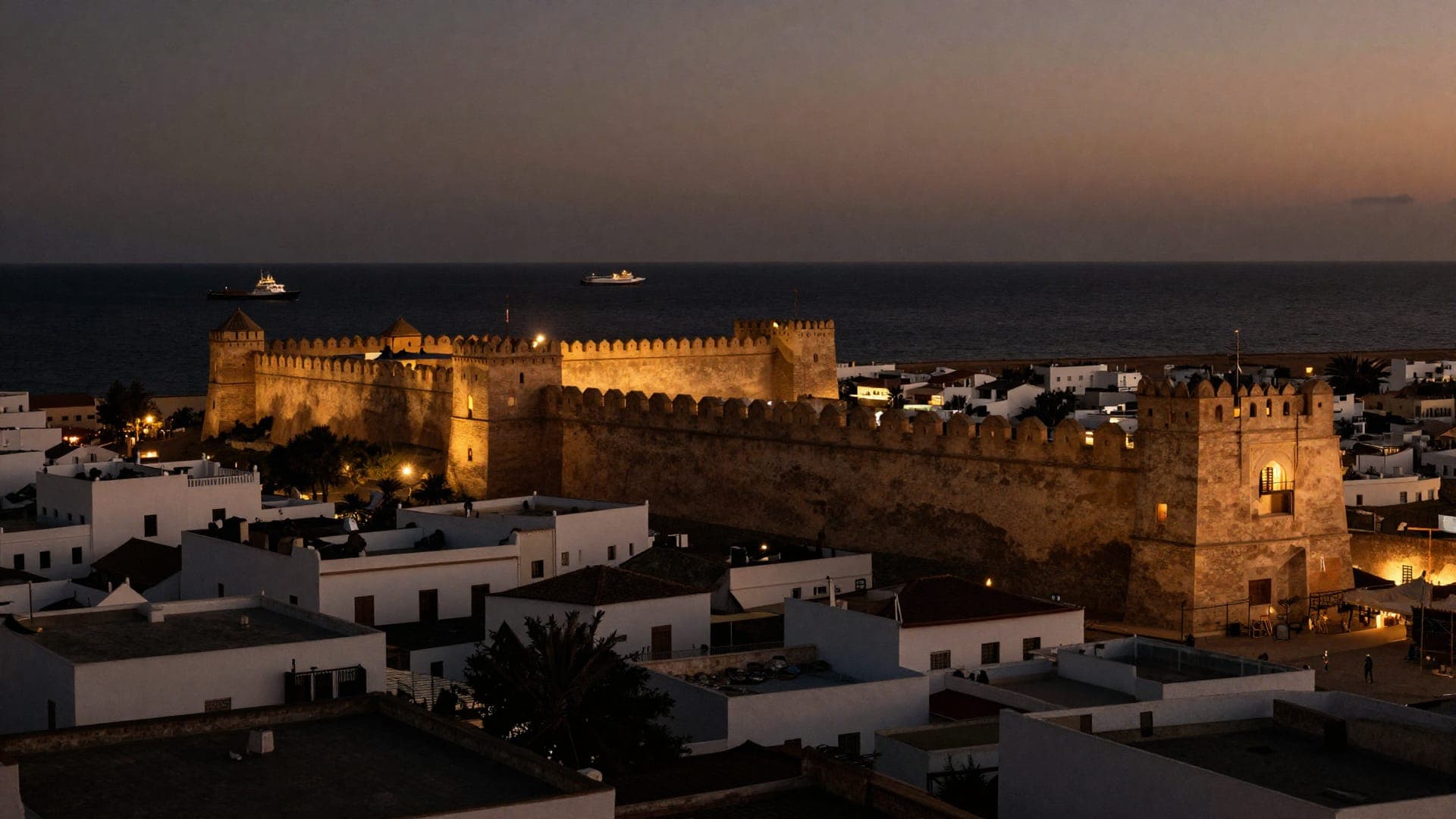
North again is the Strait: Tangier, Tetouan, and a Mediterranean coast of white villages on headlands where the water is warm and the light is completely different.
More of The Rif & the North
0732 routes come through
The imperial cities
Marrakech, Fes, Meknes, Rabat — and Volubilis, which came first.
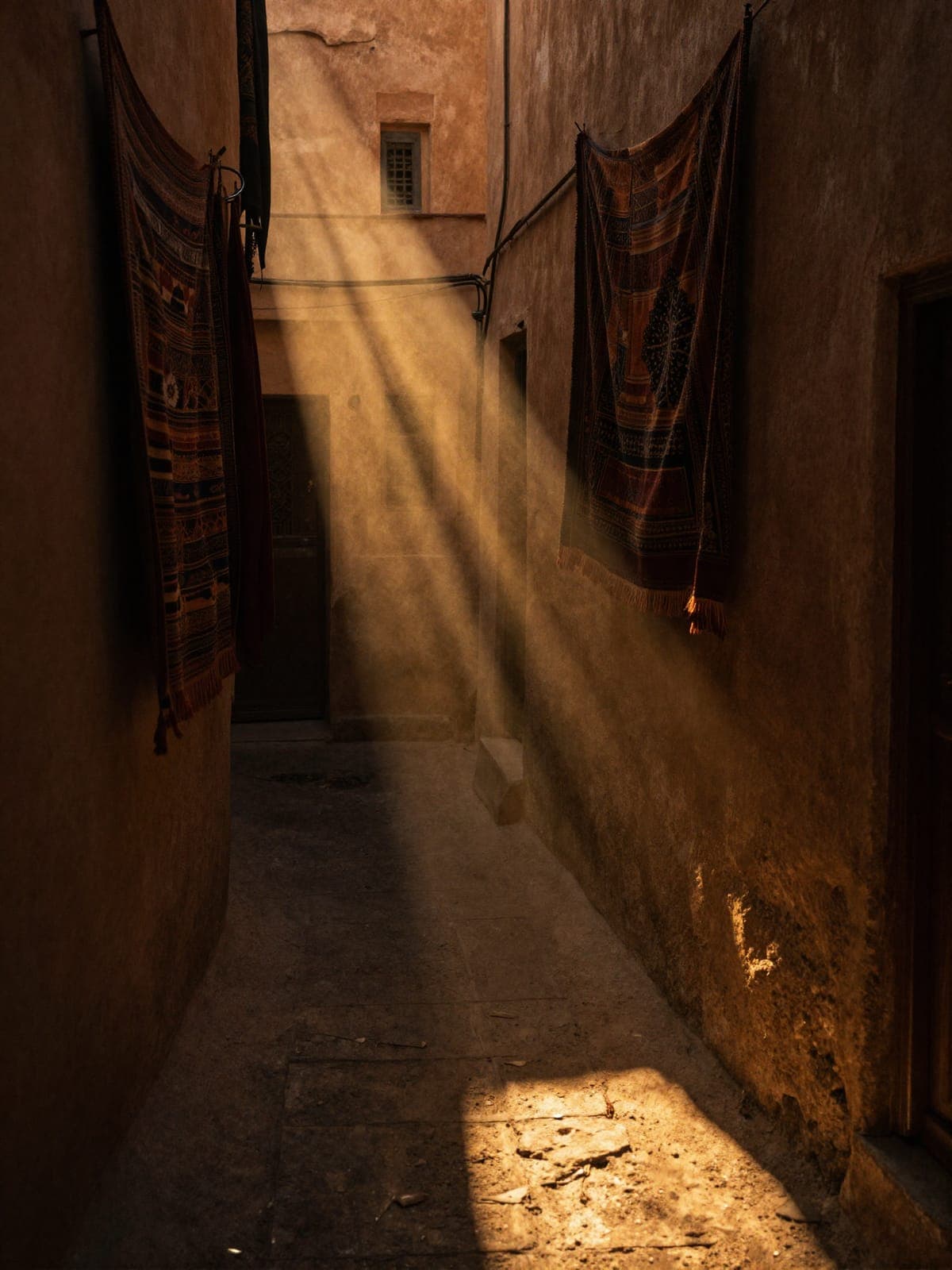
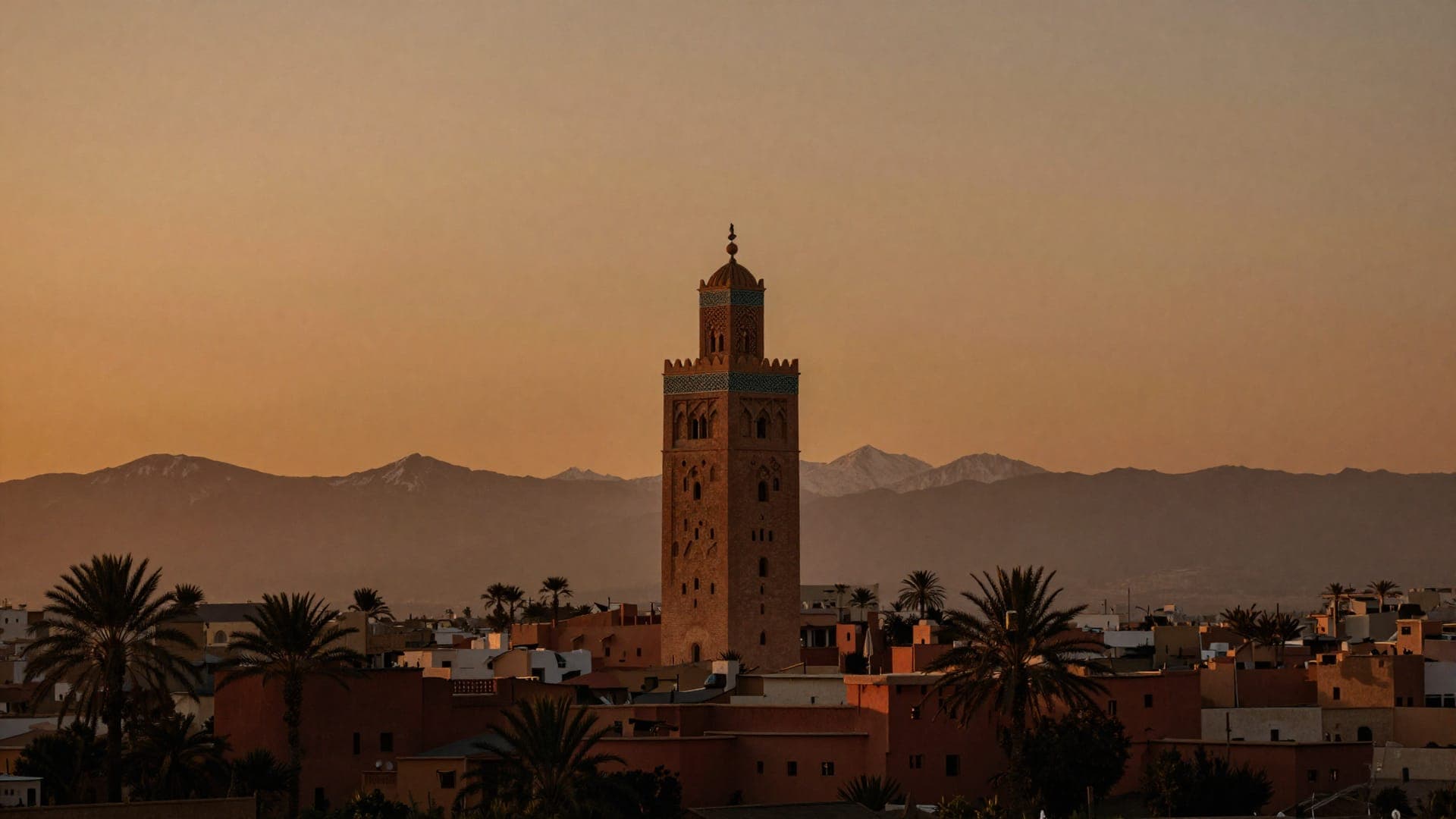
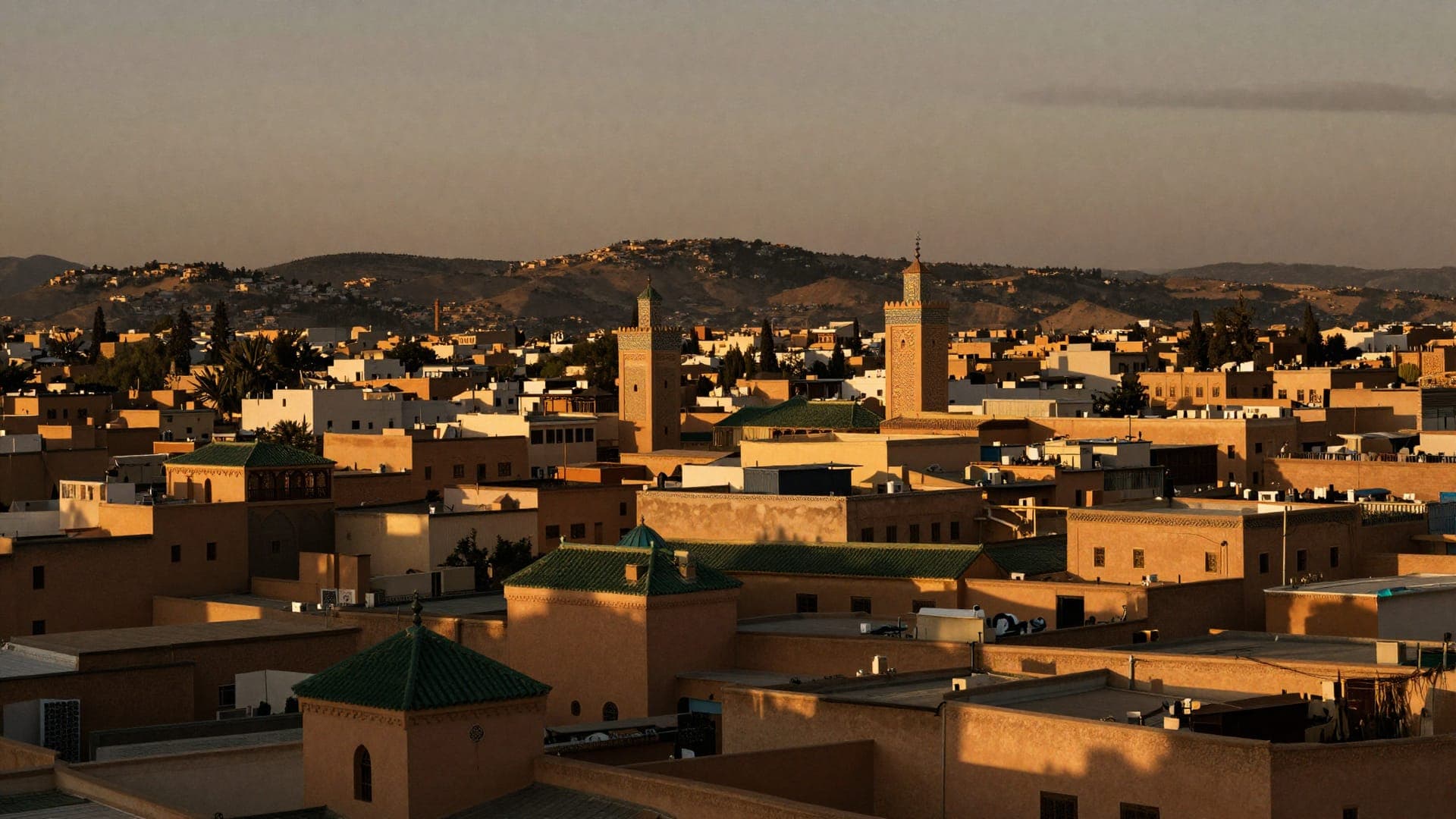
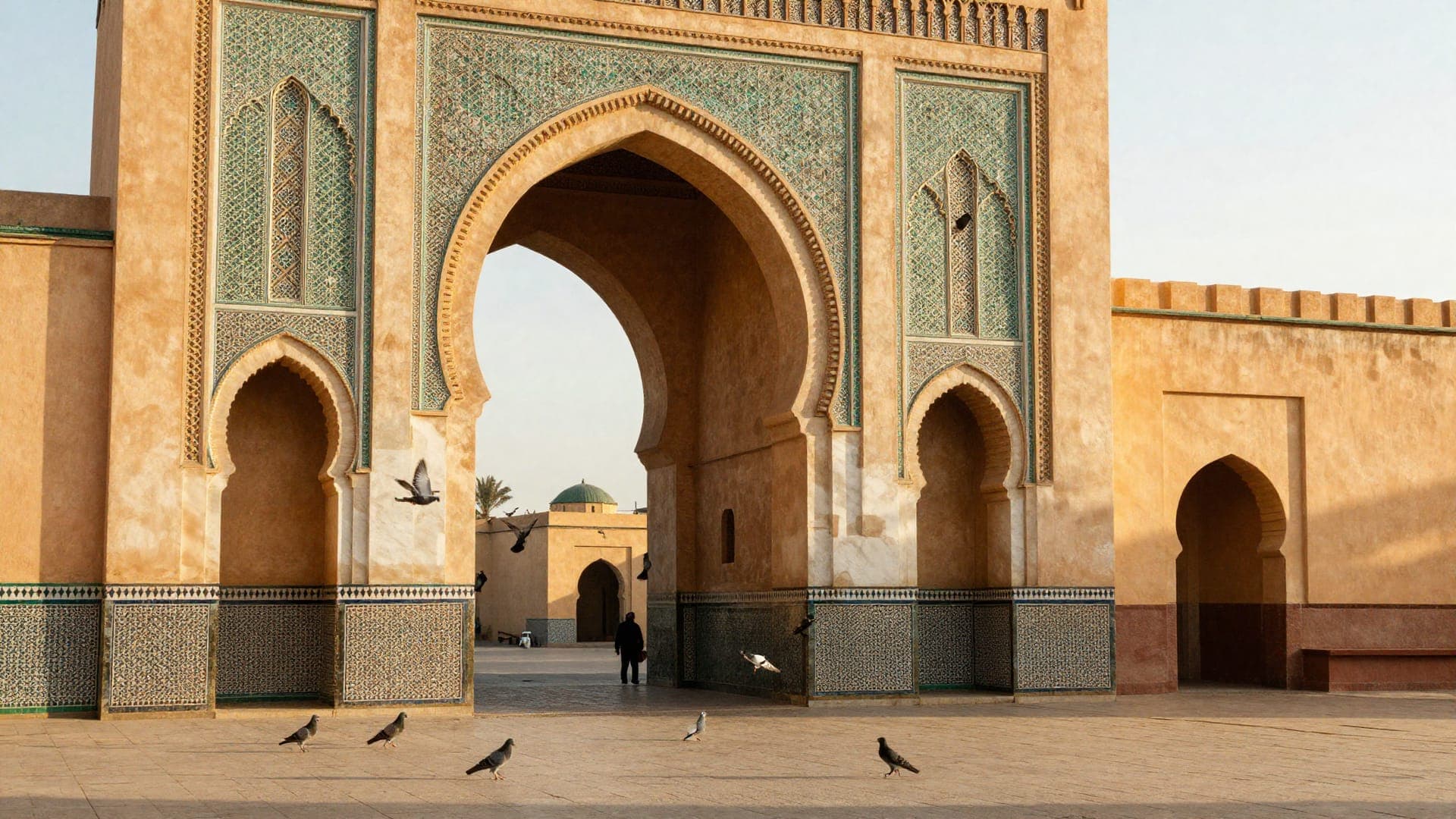
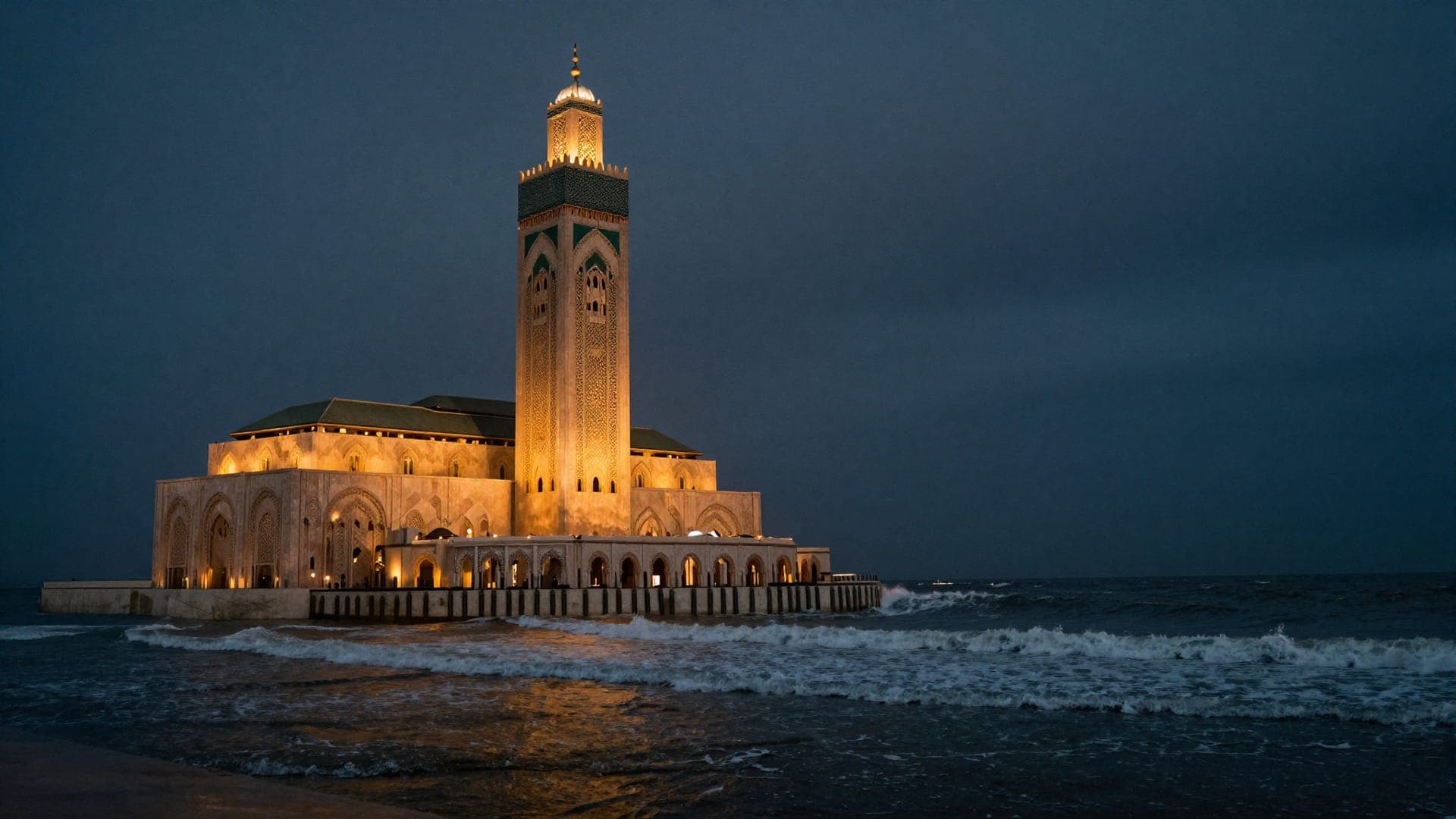
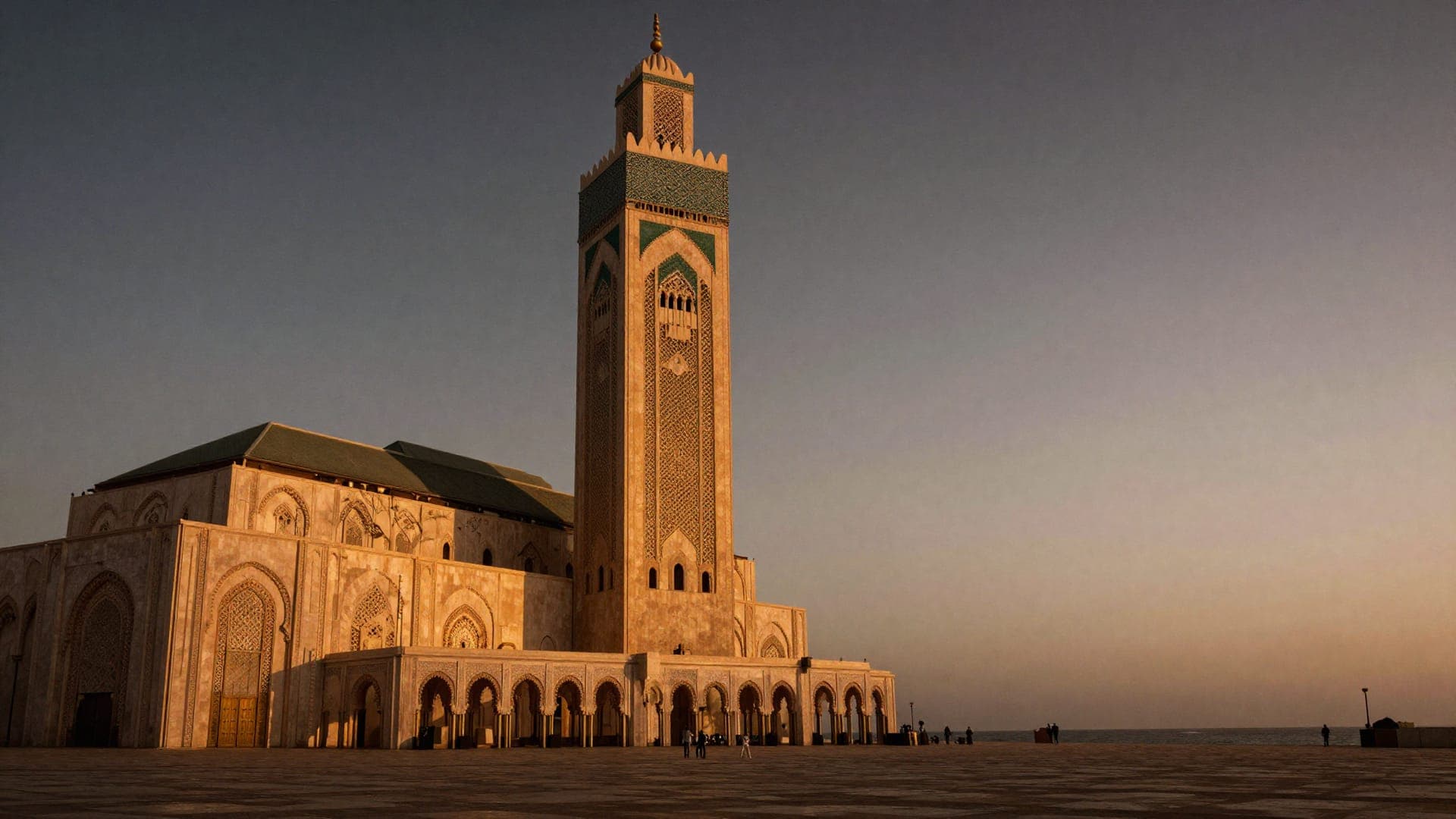
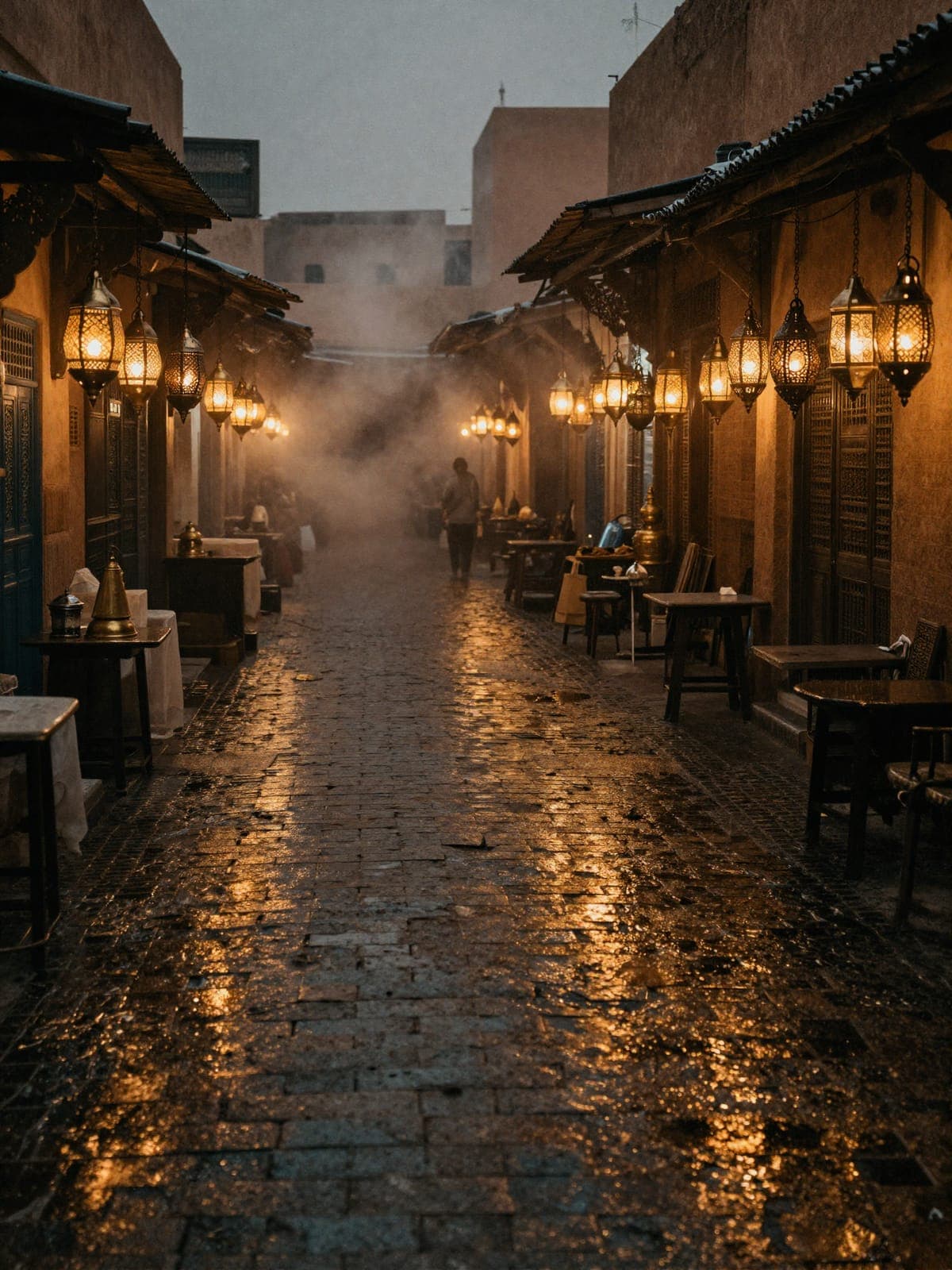
Four cities have been the capital at different points, and all four still carry it. Fes el Bali is the largest car-free urban area in the world and does not care whether you can navigate it; Marrakech is louder, redder and easier; Meknes is Moulay Ismail’s, walled at a scale that only makes sense as a statement; Rabat is the working capital and the calmest of the four.
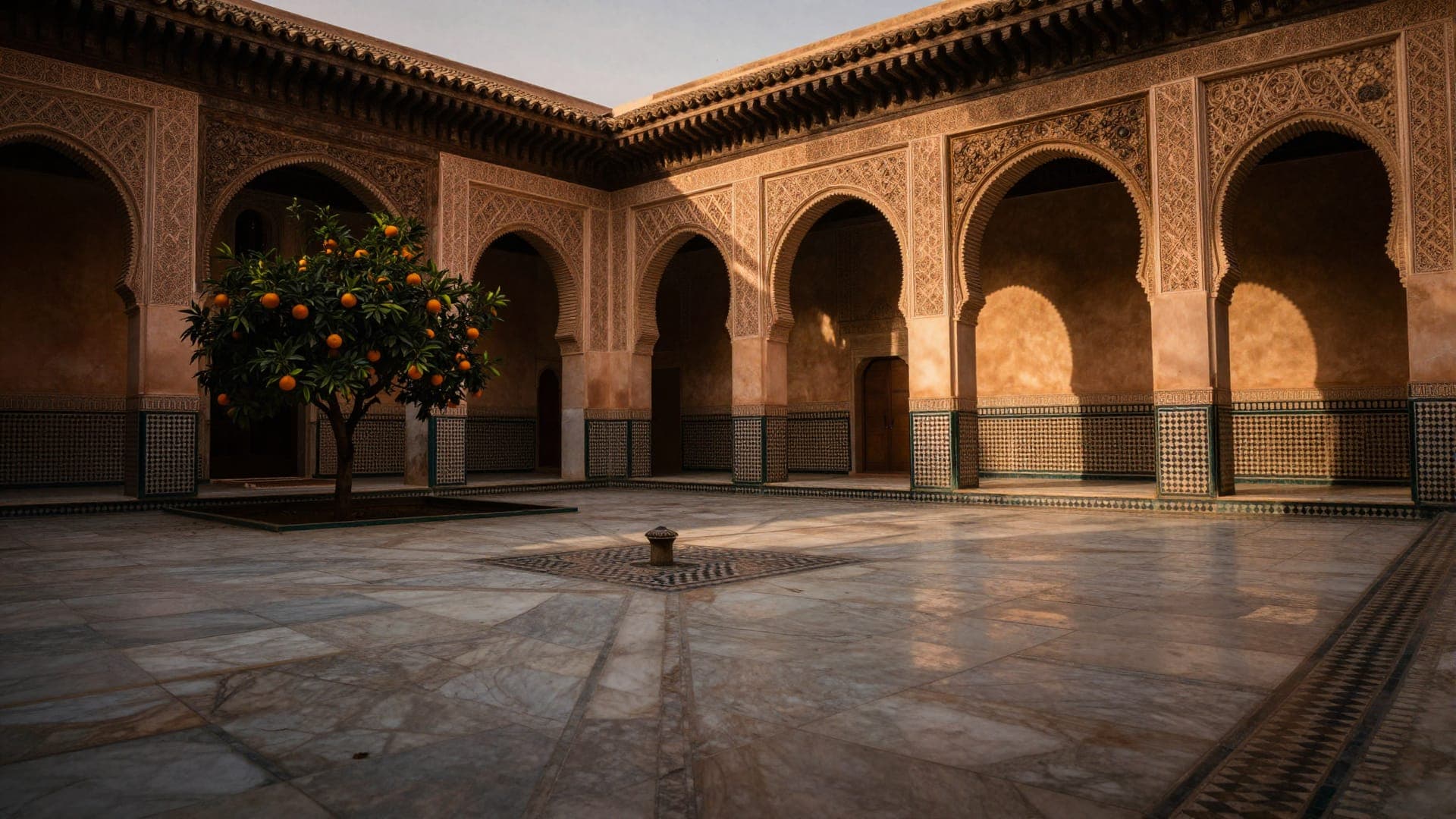
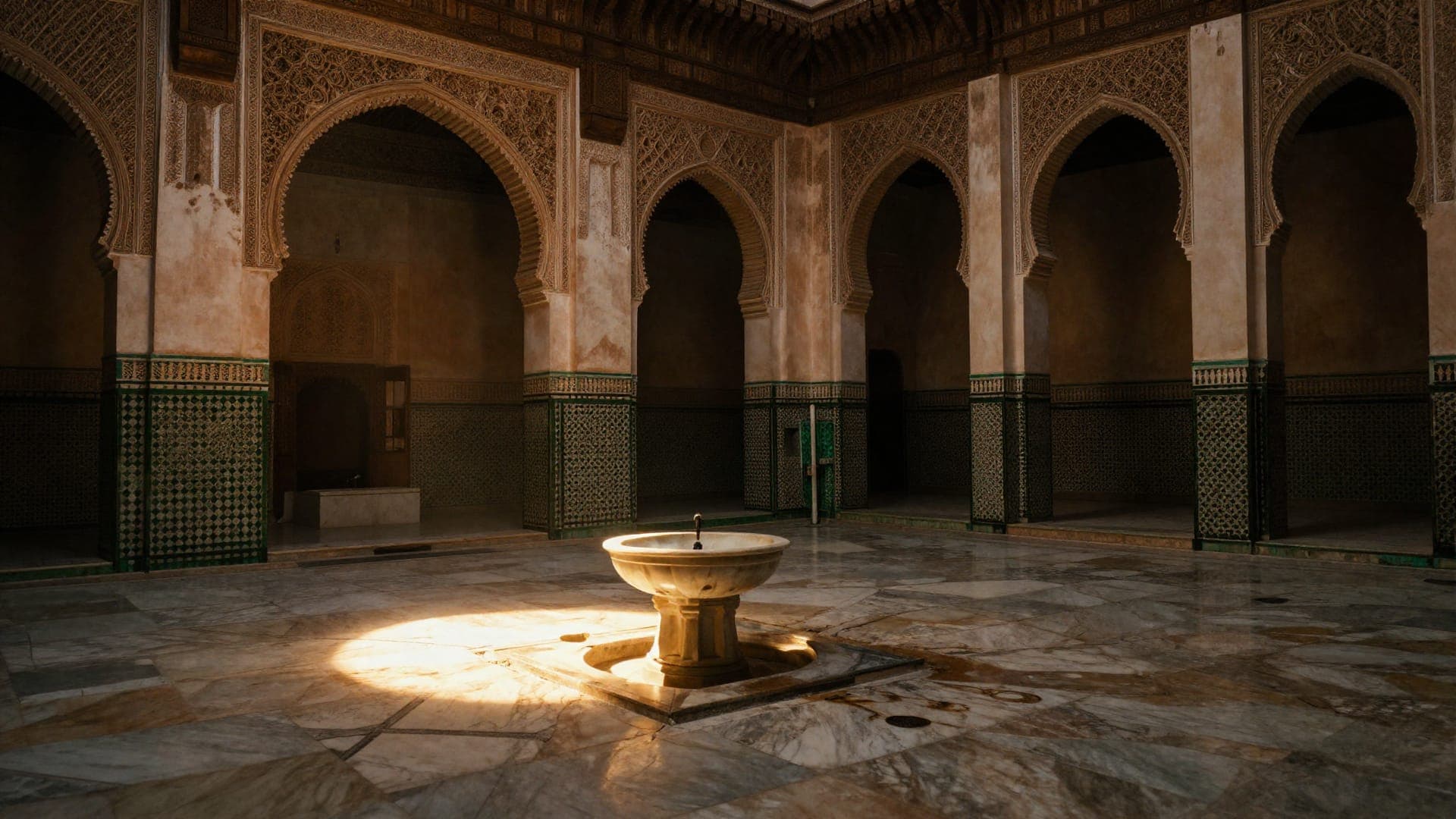
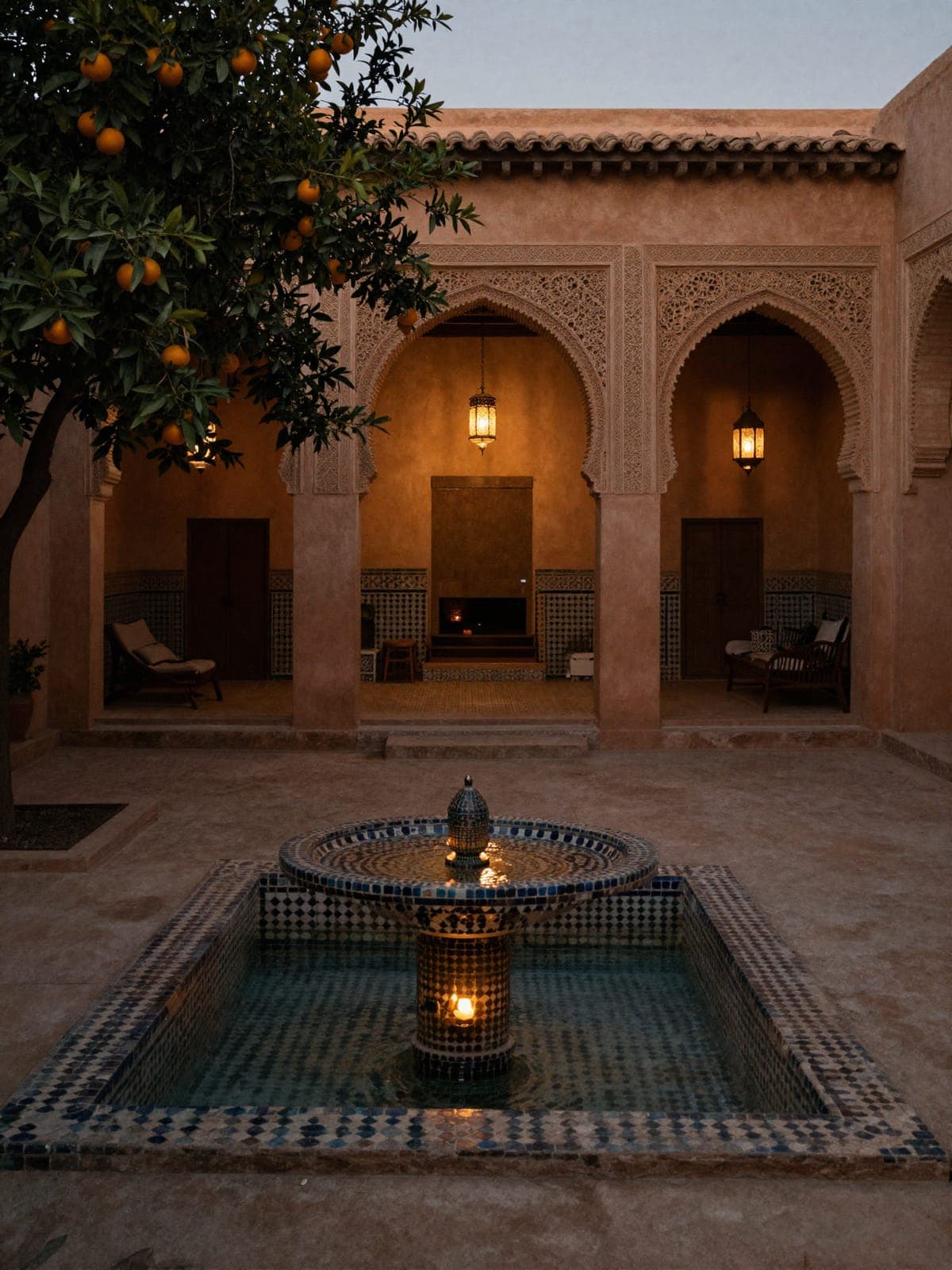
What they share is the madrasa — courtyards of carved cedar, stucco and zellige built around a fountain and a single tree, and among the best rooms in the country. What they do not share is atmosphere: an evening in the Marrakech souks and an evening in Fes are not the same experience, and anybody who tells you to pick one is saving you time rather than telling you the truth.
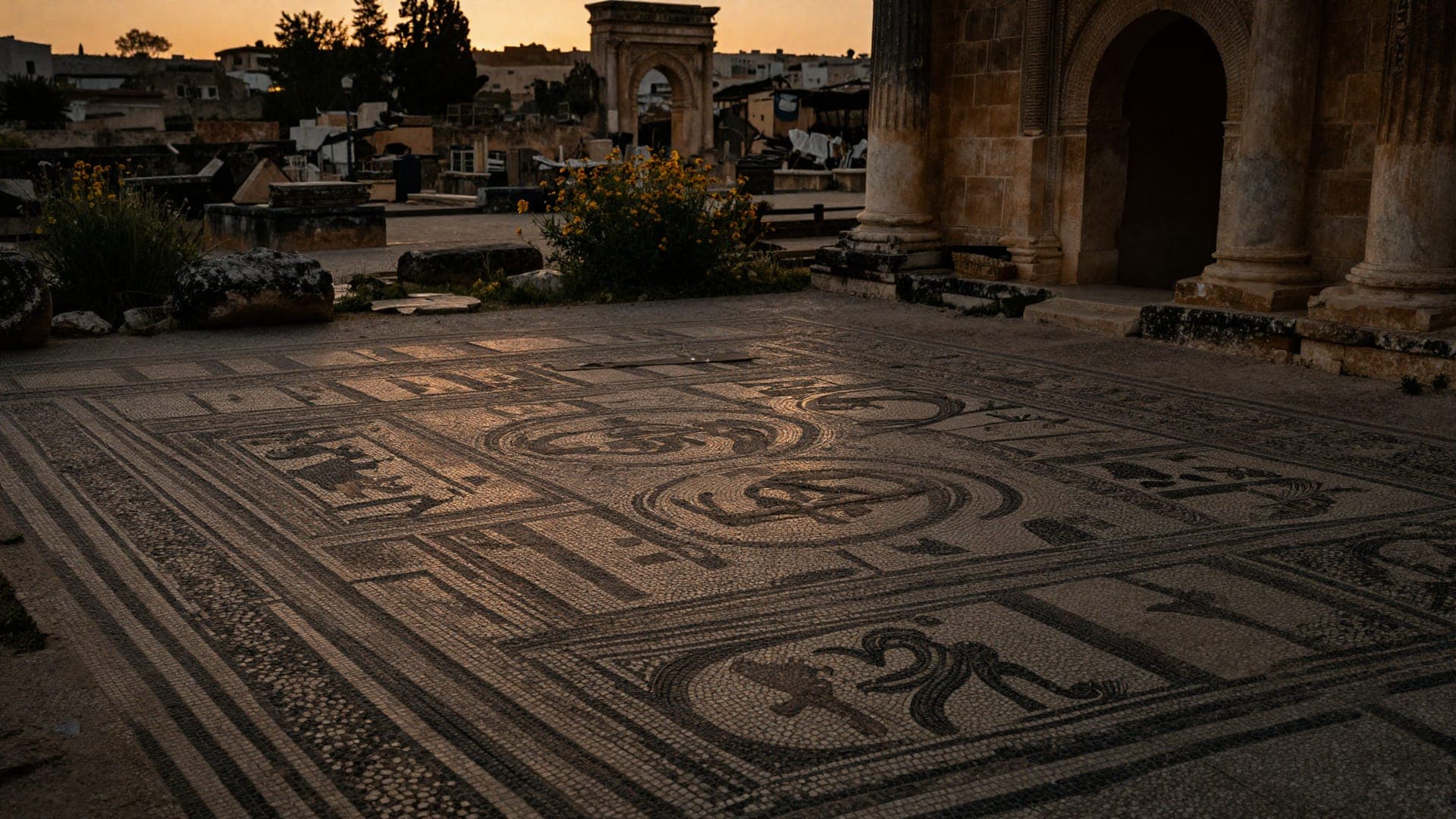
Volubilis, an hour from both Fes and Meknes, was here before any of them — a Roman town left open to the sky, with mosaic floors still where they were laid.
More of The imperial cities
Routes through the imperial cities
- The High Atlas & Imlil1d · Marrakech
- The Ourika Valley1d · Marrakech
- Ouzoud Falls1d · Marrakech
- Essaouira1d · Marrakech
- Agafay, After Dark1d · Marrakech
- Aït Benhaddou & Ouarzazate1d · Marrakech
- Paradise Valley1d · Marrakech
- Sunrise, from the Air1d · Marrakech
- The Palmeraie on Quads1d · Marrakech
- Marrakech to Merzouga3d · Marrakech
- Marrakech to Fes3d · Marrakech
- The Two Gorges3d · Marrakech
- The Ziz and the Erg3d · Fes
- Fes to Merzouga3d · Fes
- The Erg and Back4d · Marrakech
- Cedar, Ziz, Erg4d · Fes
- Fes to Marrakech, the long way4d · Fes
- Gorges and Dunes5d · Marrakech
- The Deep South6d · Marrakech
- Fes to the Draa6d · Fes
- Coast and Cedar6d · Casablanca
- Atlas and Atlantic8d · Marrakech
- The Imperial Cities8d · Casablanca
- The North8d · Tangier
- The Grand Tour10d · Marrakech
- The Fes Circuit10d · Fes
- Casablanca to the Sahara10d · Casablanca
- Strait to the Atlas10d · Tangier
- The Long Way South12d · Casablanca
- Strait to Sahara12d · Tangier
- The Full Traverse14d · Tangier
- The Fifteen15d · Casablanca